
The Fall of Jakarta
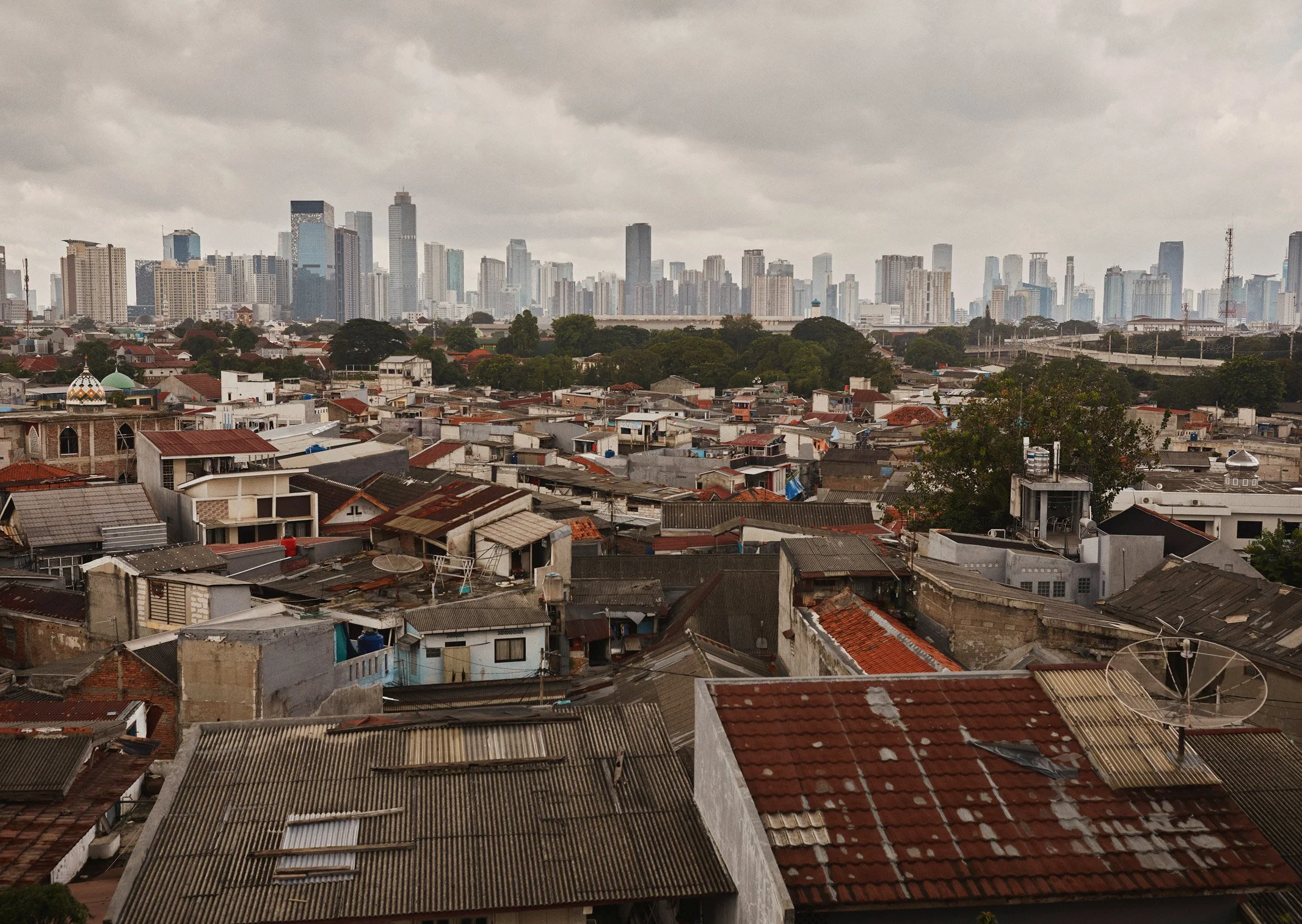
Jakarta in Indonesia is home to approximately 11.5 million people and is the fastest-sinking city in the world. Jakarta sinks by up to 20 centimeters each year. Already, 40% of the city lies below sea level, and by 2050 it is expected that almost the entire northern part of the city will be underwater. The city is sinking partly because groundwater is being pumped from underground, among other things for drinking water. Climate change and rising water levels primarily affect the poorest residents, who cannot afford to protect their homes from flooding.
In 2025, up to 4,000 people lost their homes and now need to be rehoused.
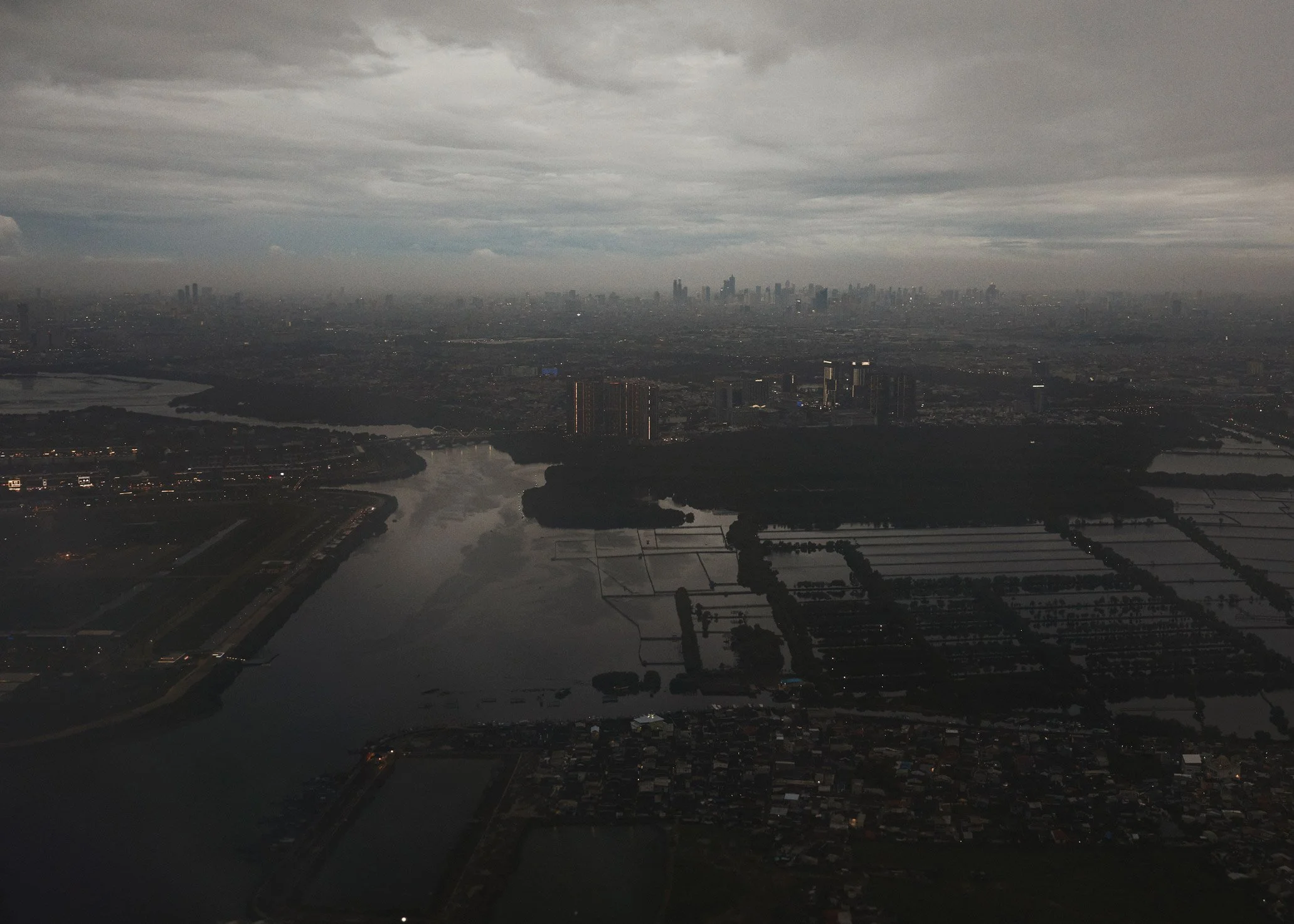
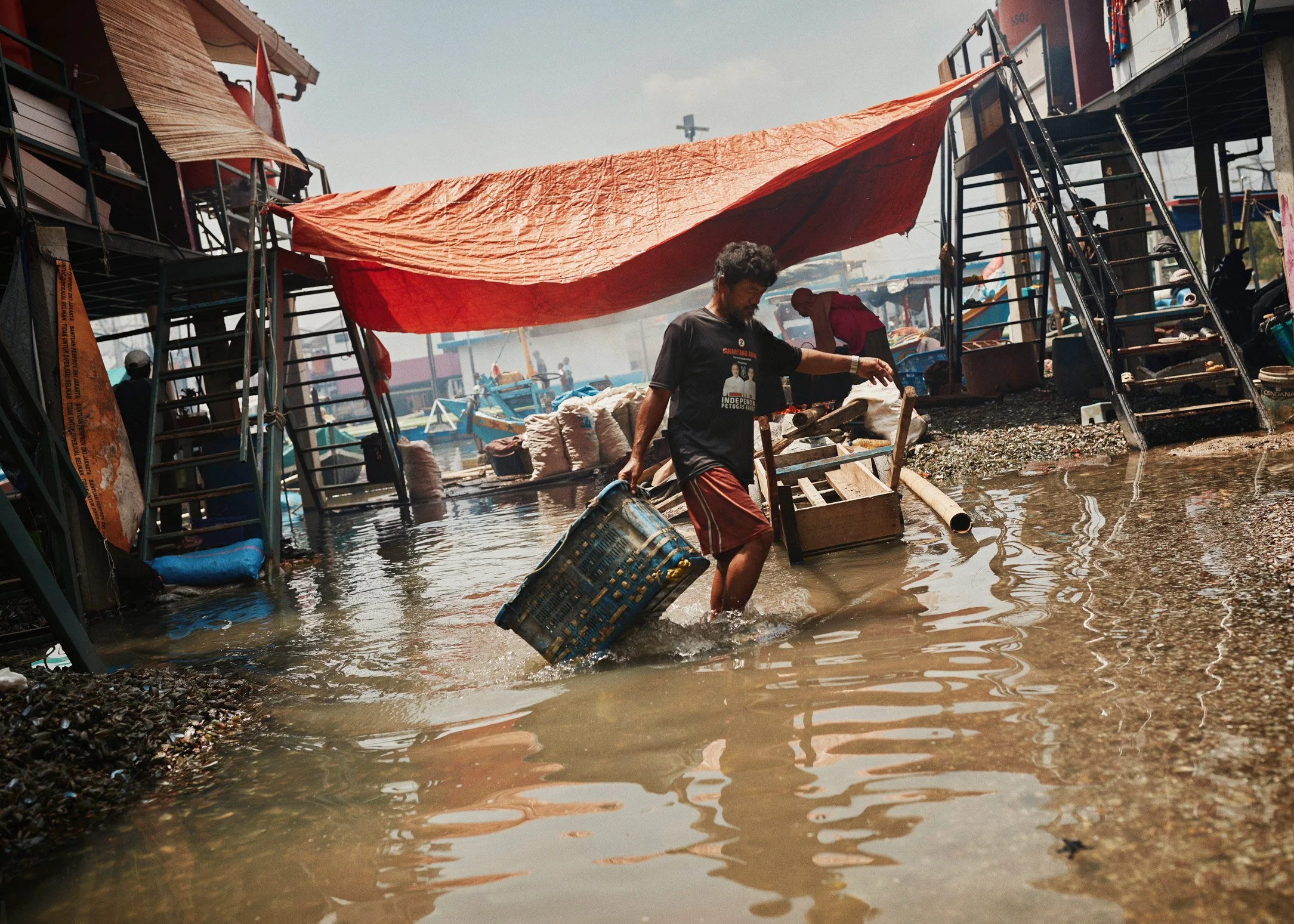
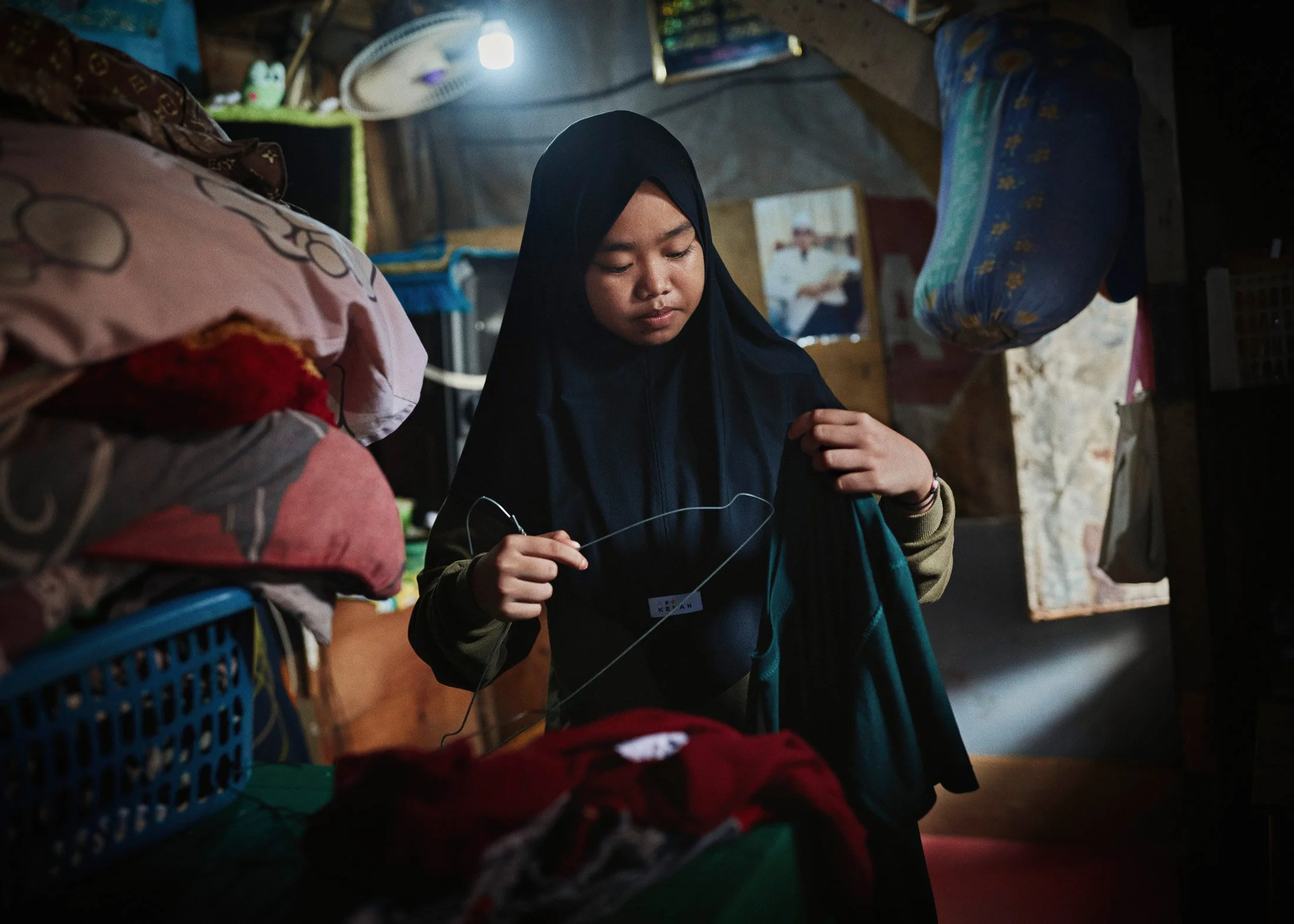
Jakarta is located on the western part of the island of Java and is built on a swampy mangrove landscape, which has now been replaced by skyscrapers and concrete, making it difficult for water to seep into the ground. Without intervention, almost the entire coastal area around Jakarta will be flooded within 25 years, potentially leaving between 12 and 25 million people homeless.
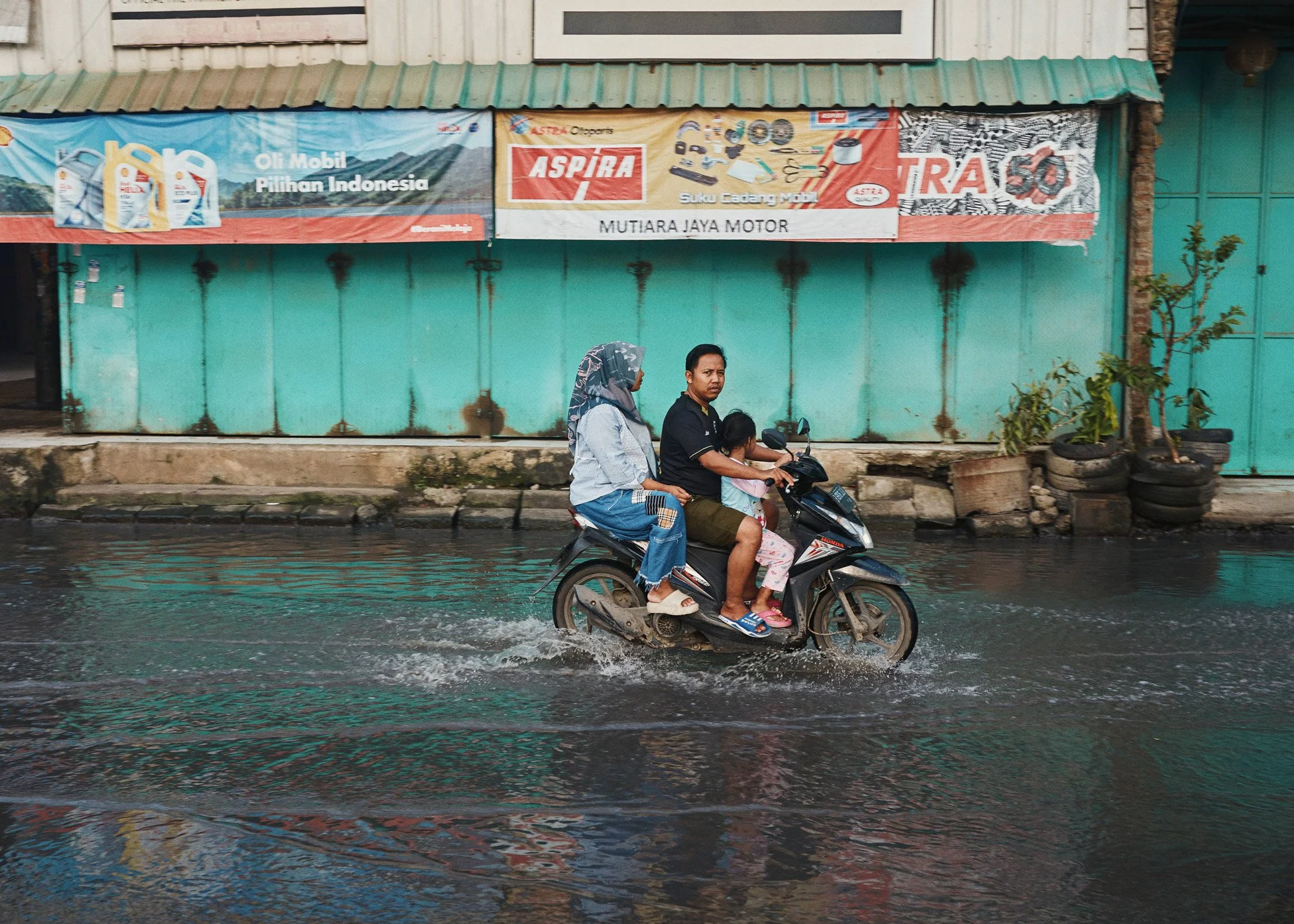
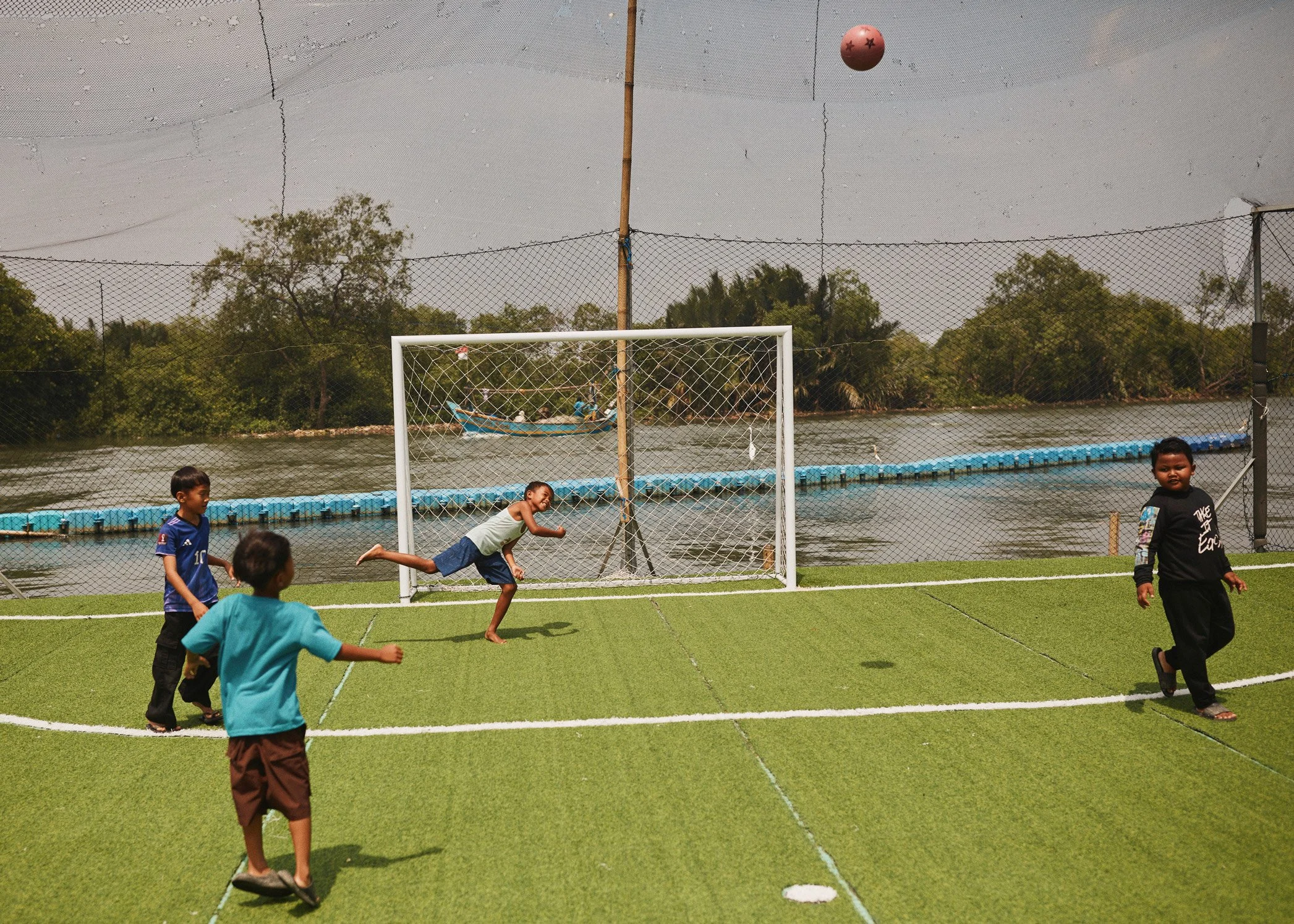
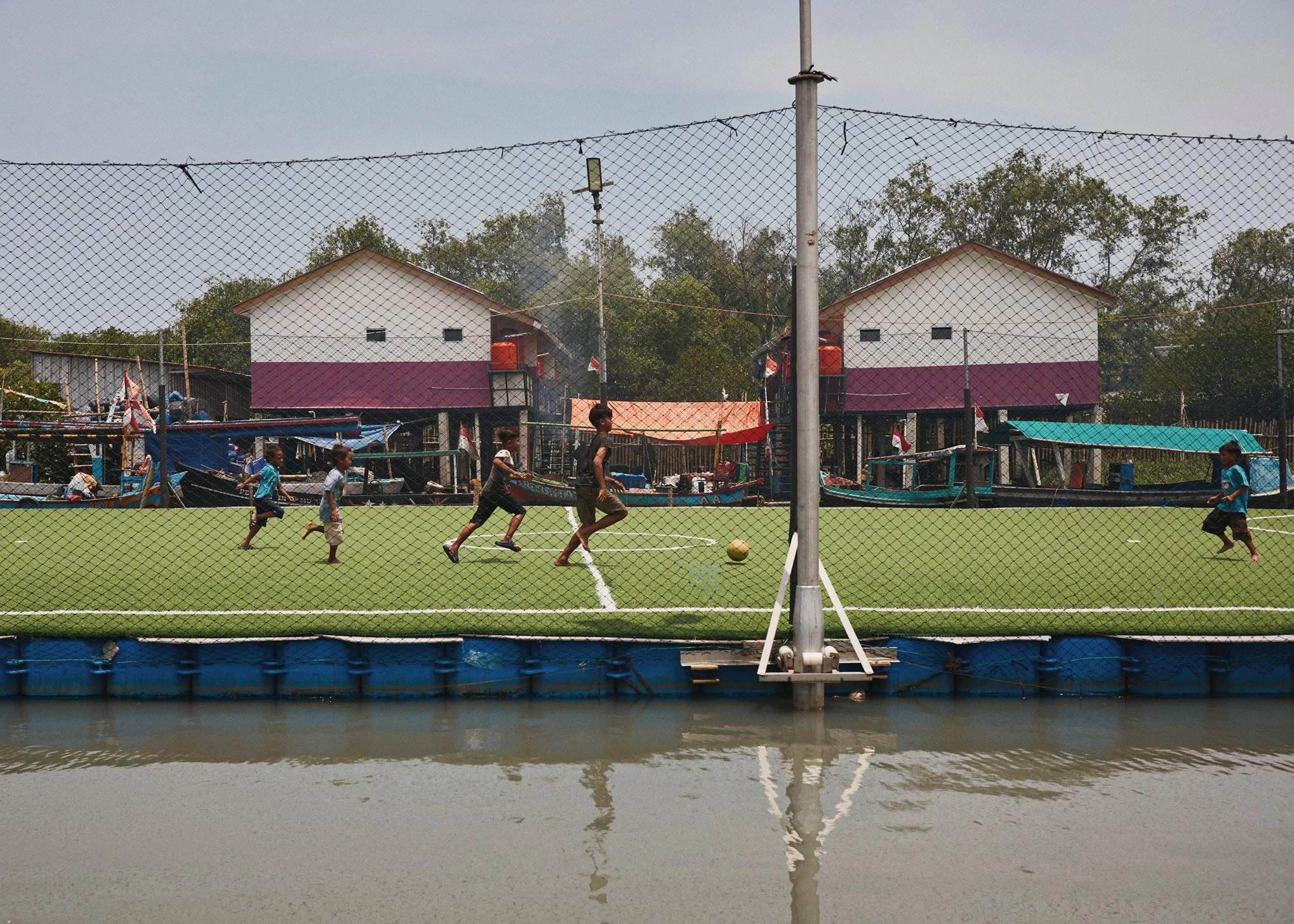
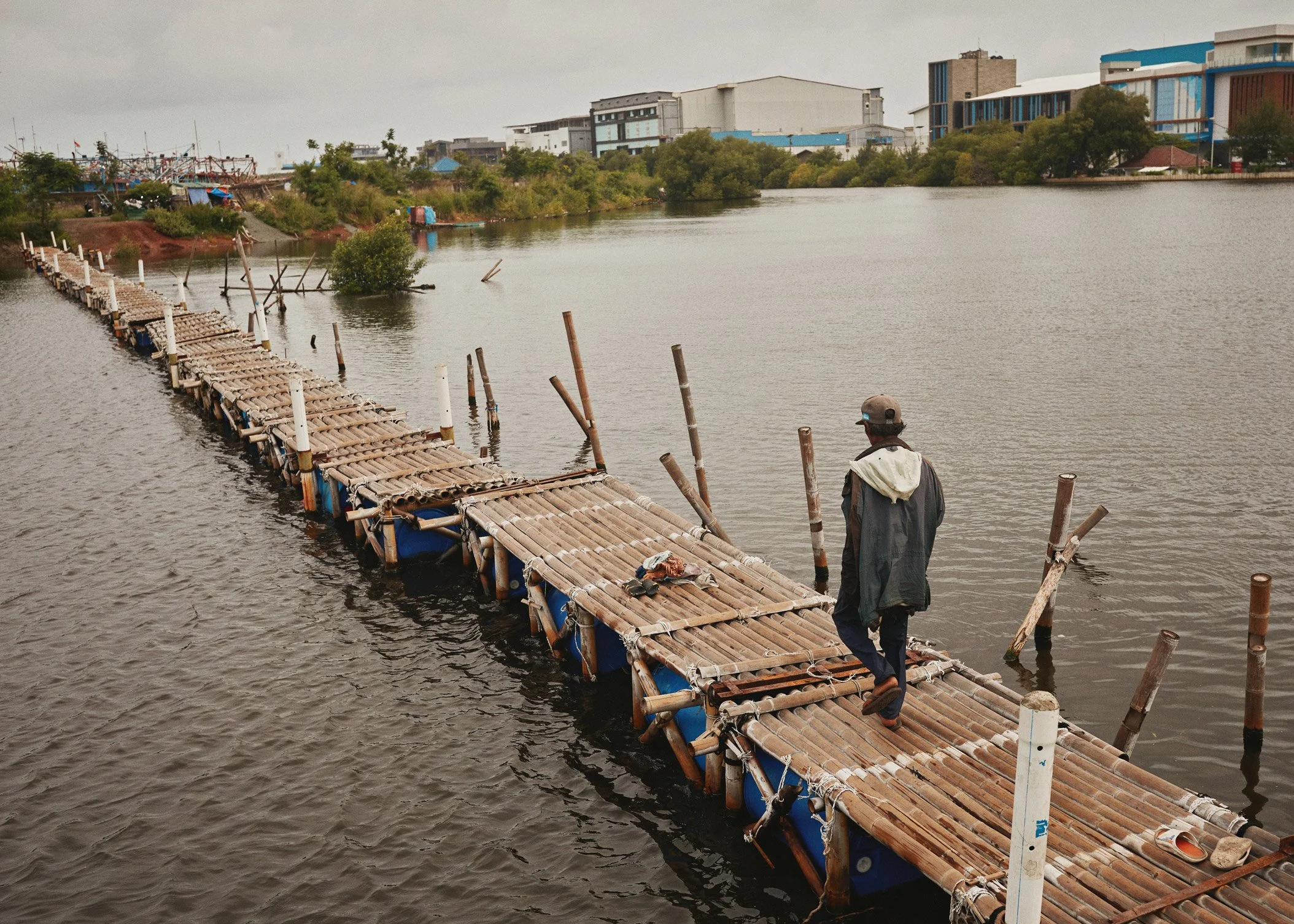
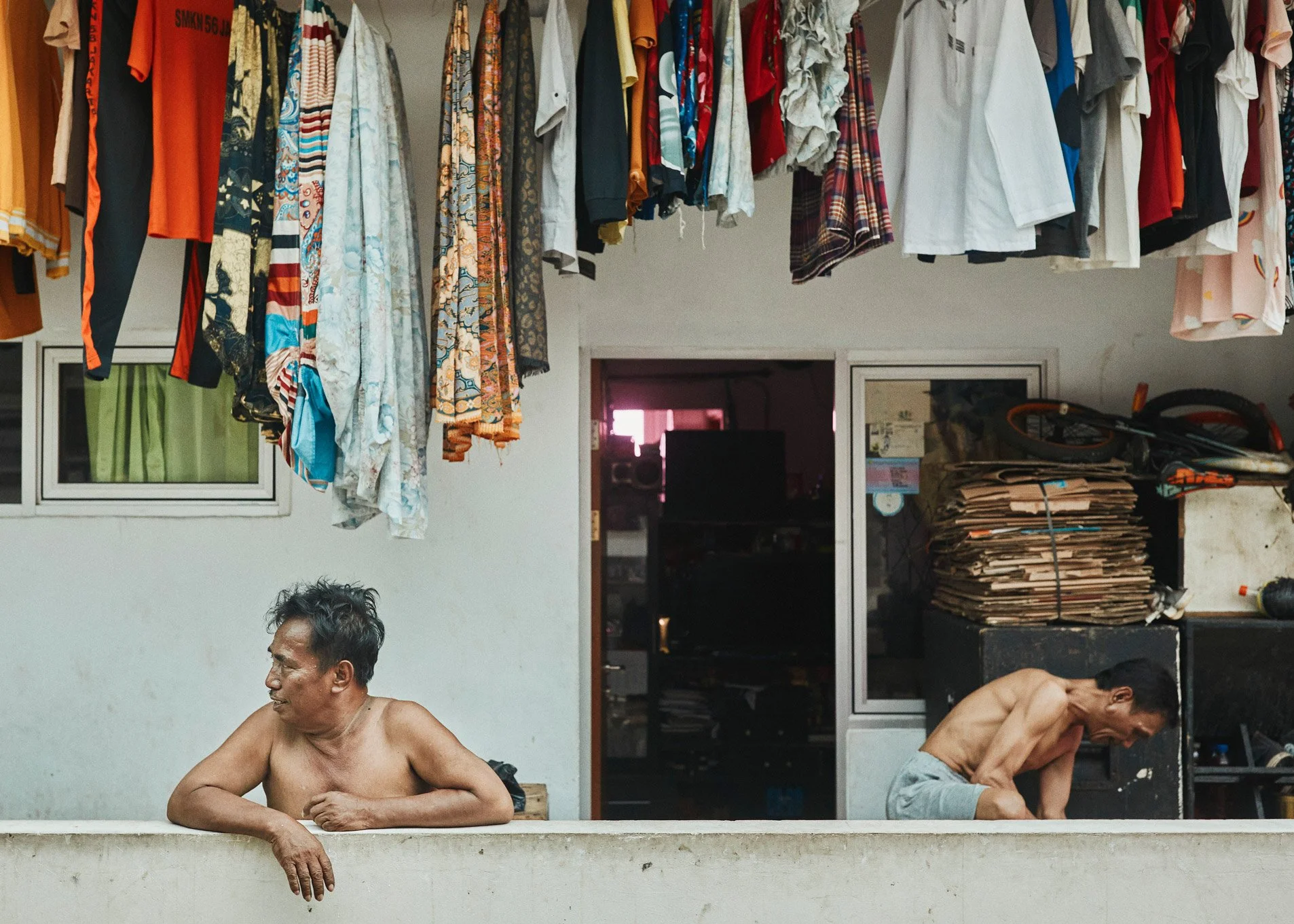
The Penjaringan area lies right by the sea. The area has major problems with unstable weather, which causes water levels to rise by up to one meter. Penjaringan is not evacuated during flooding. Instead, residents have built houses on stilts and have even constructed a synthetic football field designed like an oversized raft, allowing children to play football even when the area is flooded.
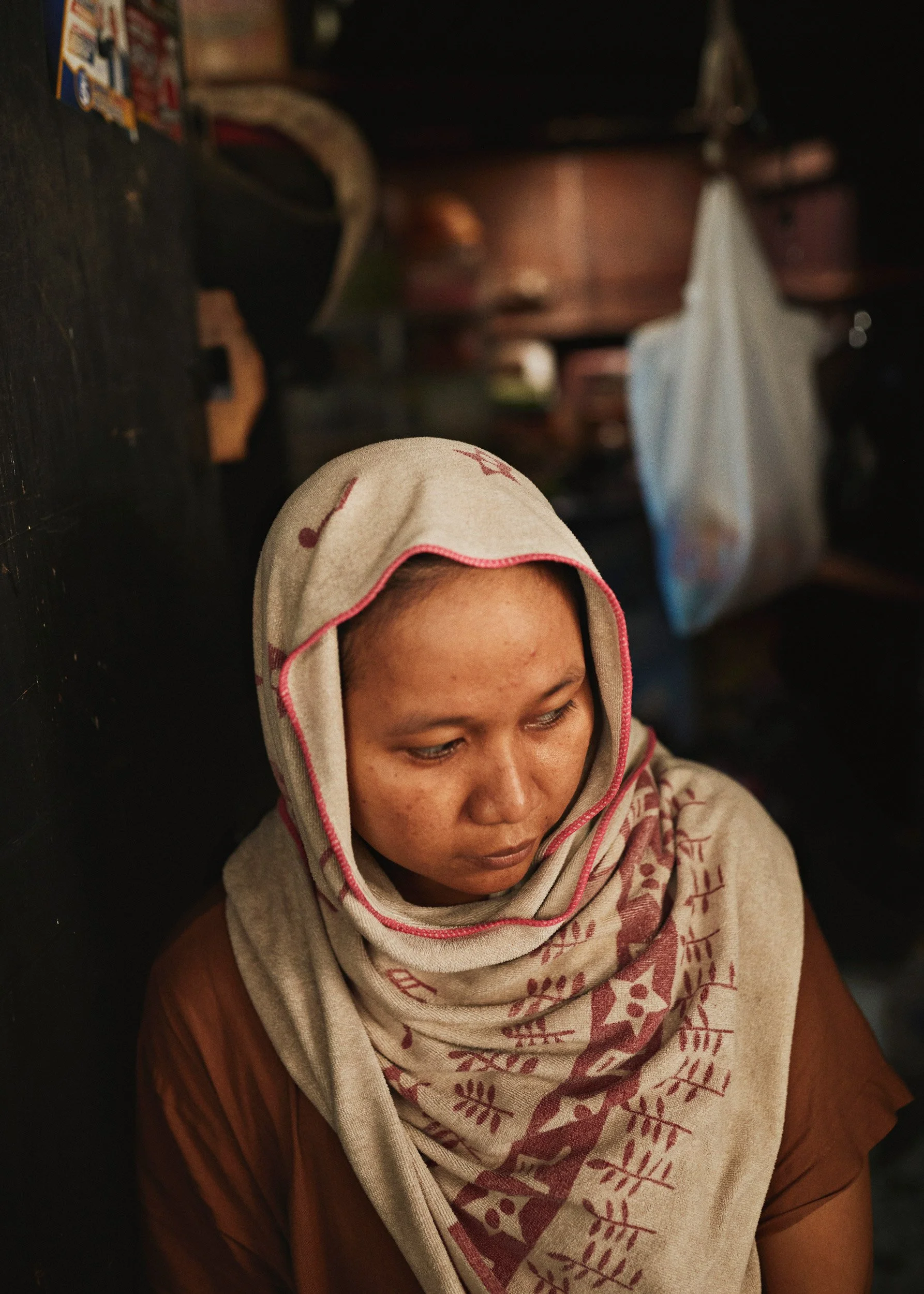
Sri has lived her entire life in Penjaringan. She now lives in a house built on high stilts with her husband and their three children. They have built the house high enough that it is rarely flooded by seawater. However, they experience major problems during the rainy season. Sri runs a small grocery shop from the front door of the family home, but when it rains heavily, water enters the house and the power goes out in the area. This makes it difficult to cook and to keep the business running due to the lack of customers.
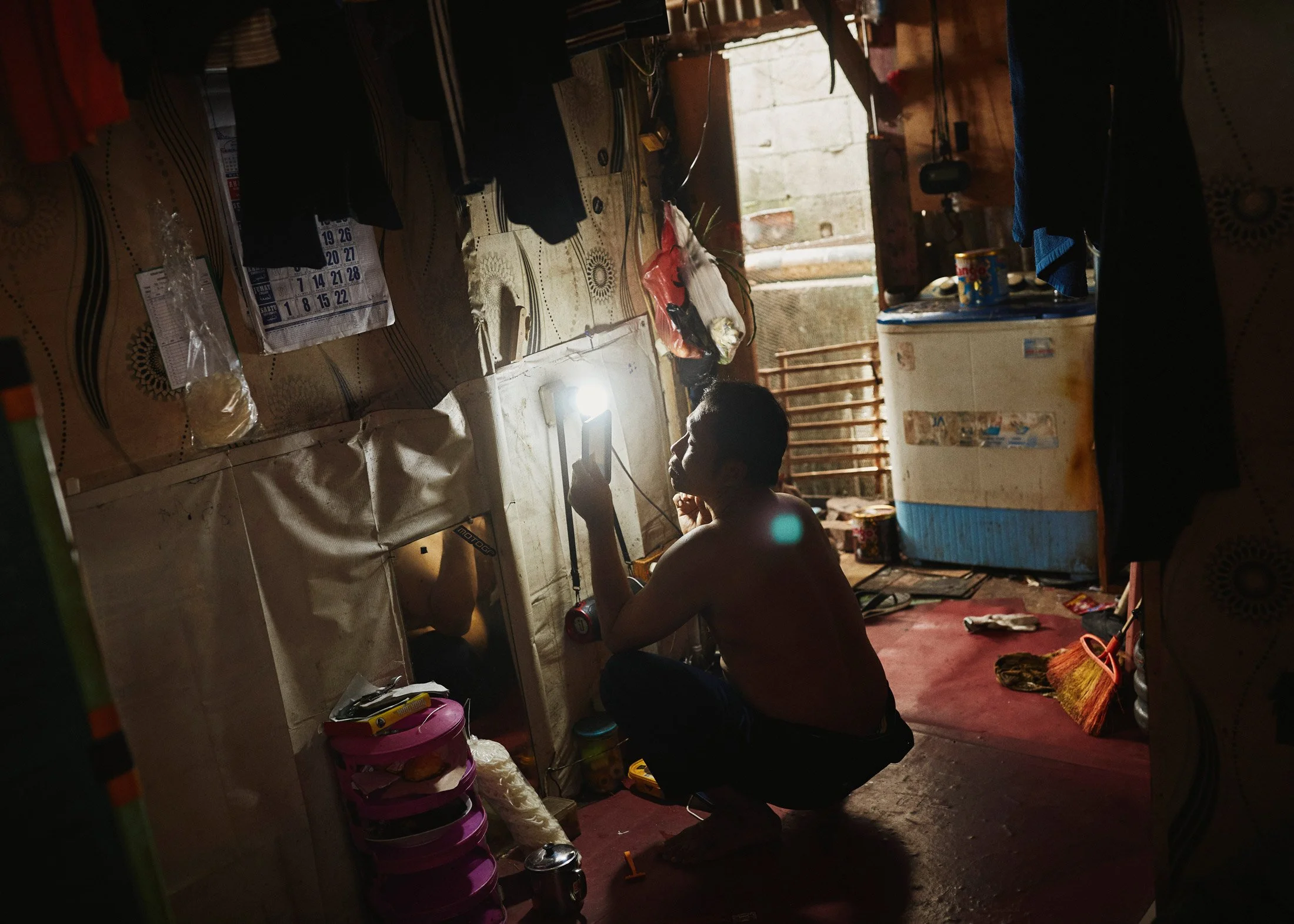
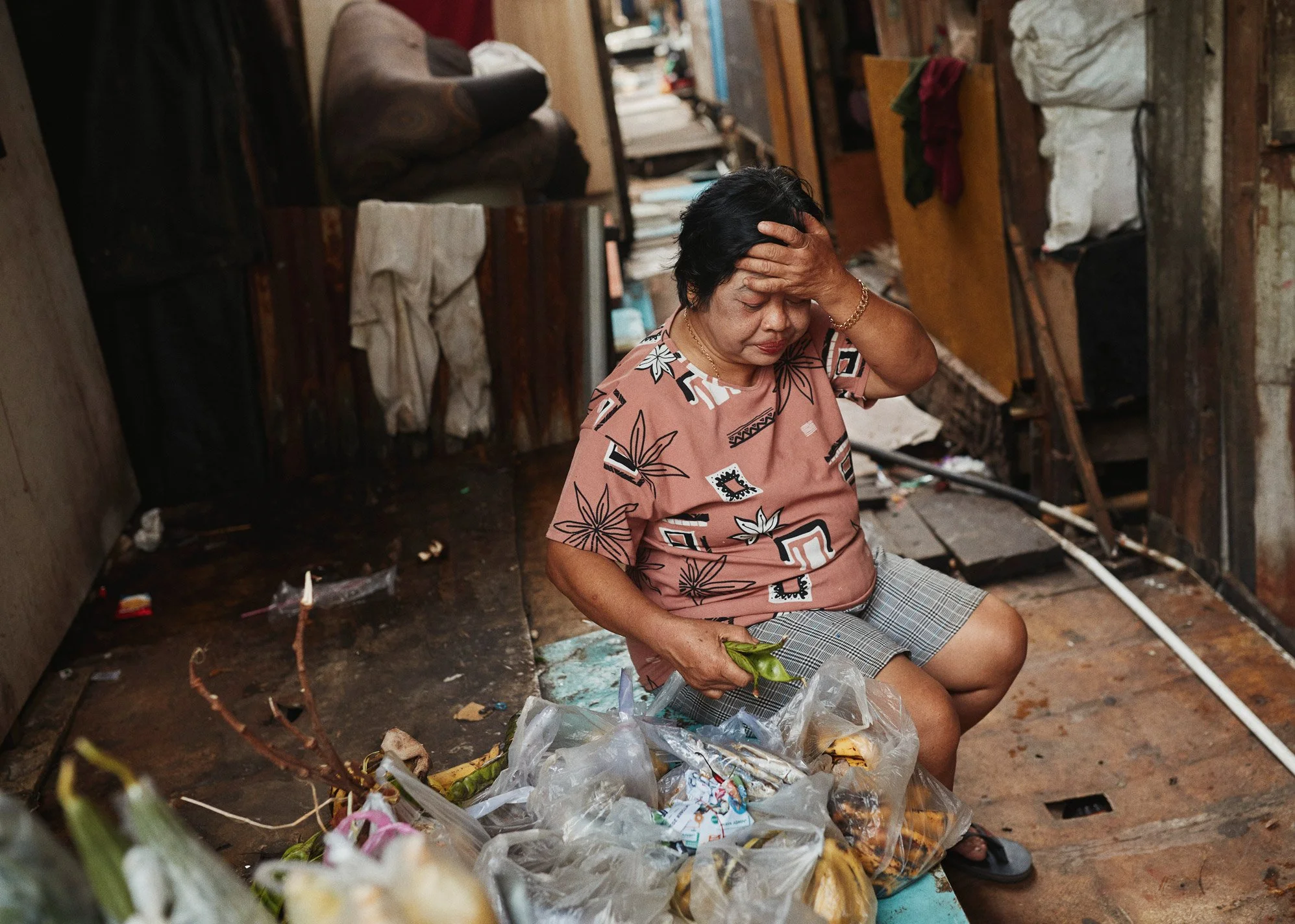
In Jakarta, diarrhea is the leading cause of death among children under five. There are growing problems with skin diseases in the most flooded areas of the city. The local population lives in a tropical climate and therefore often walks through polluted water with bare legs and flip-flops. Due to the pollution, pneumonia and respiratory infections are also among the leading causes of death in children. The many floods also create favorable conditions for mosquitoes, and Jakarta is experiencing increasing problems with the spread of yellow fever.
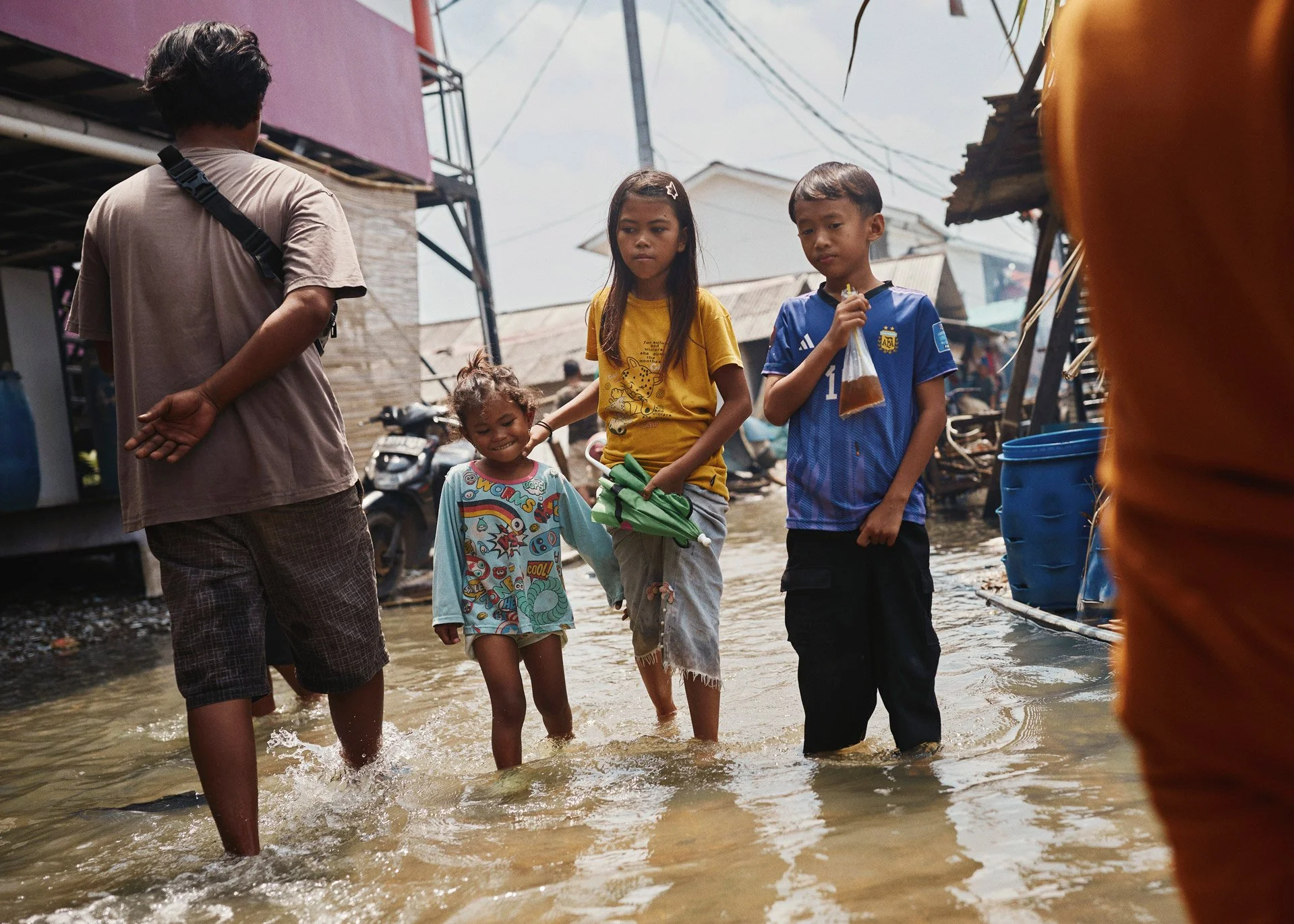
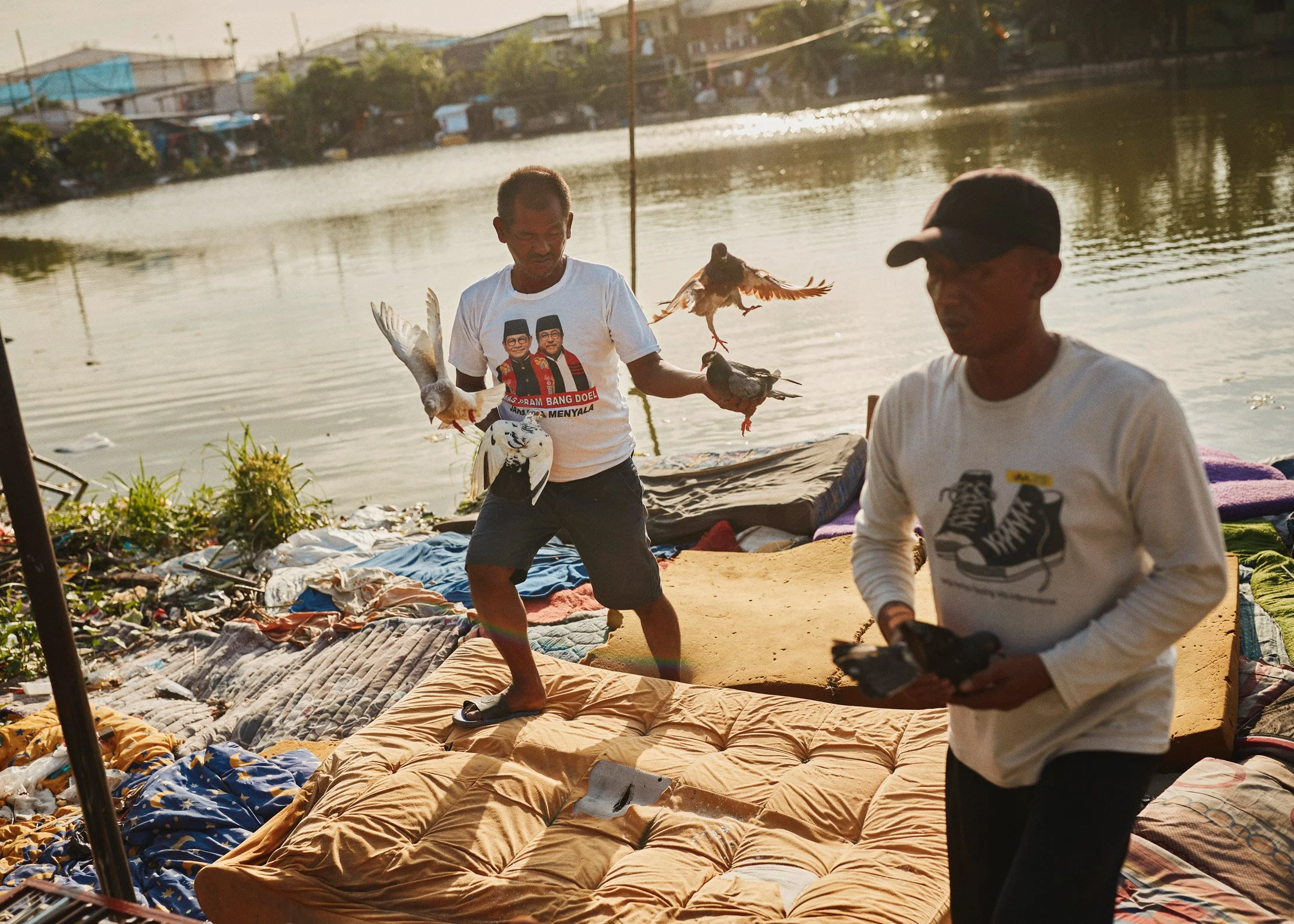
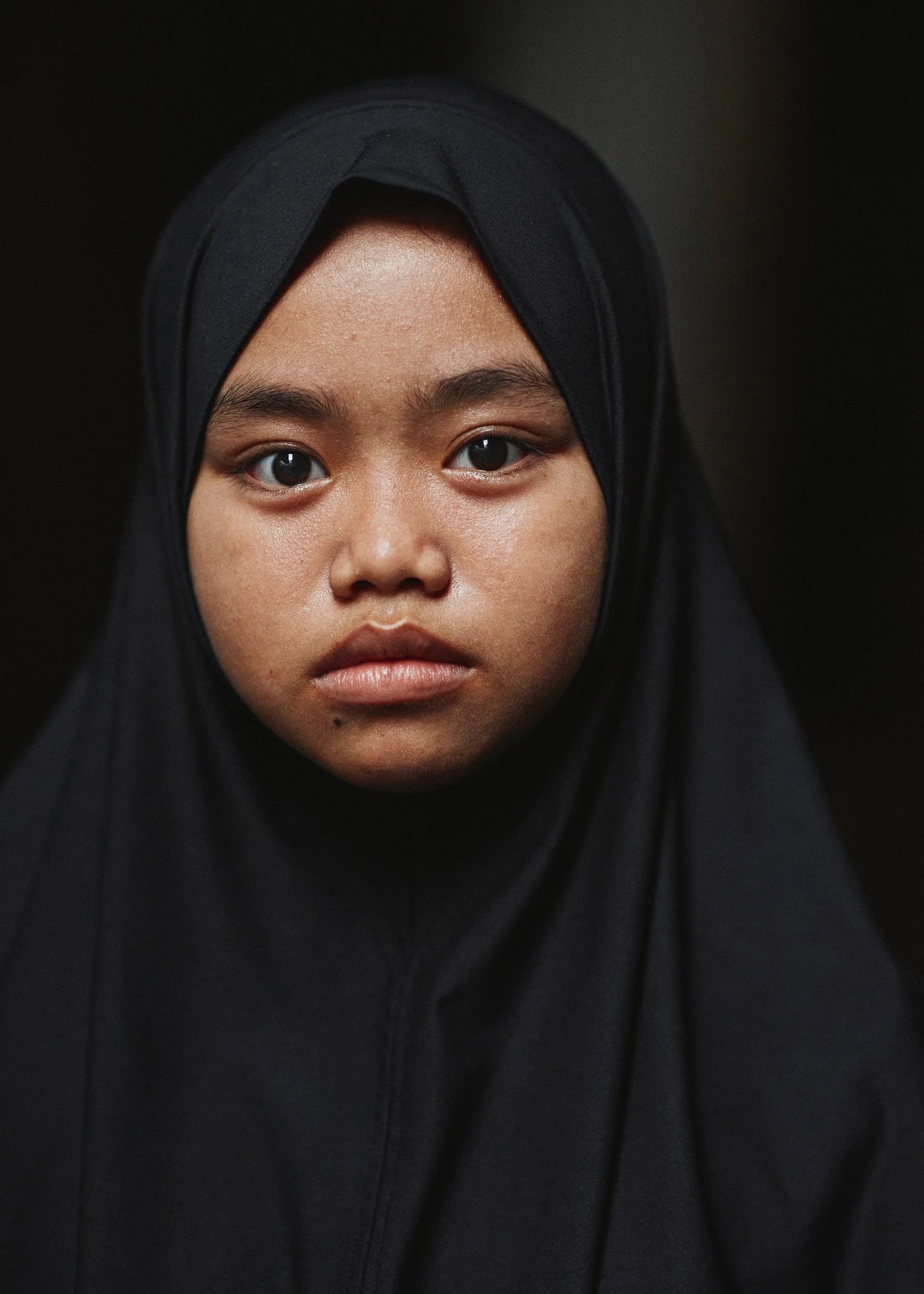
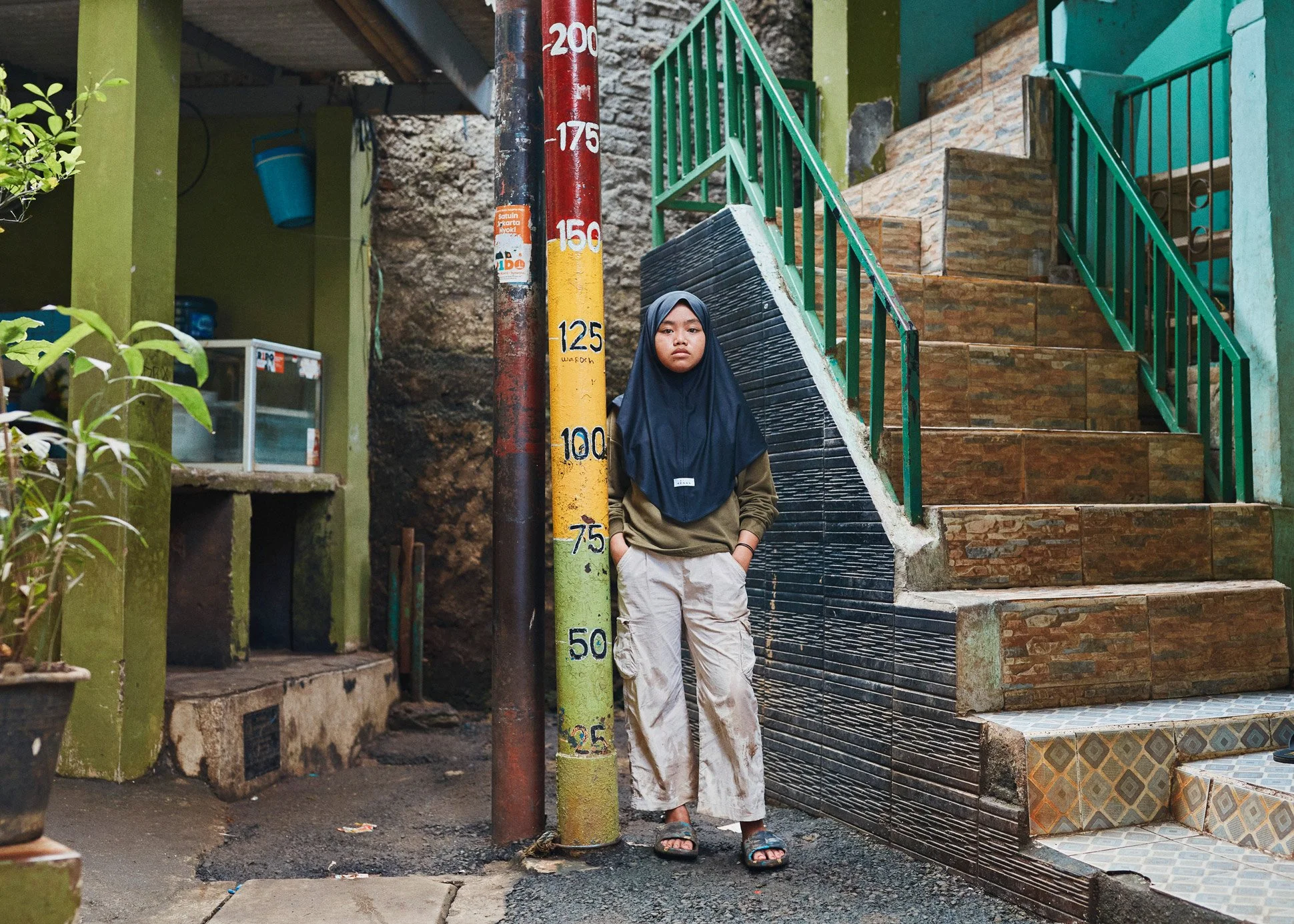
Narril is 12 years old and lives in a small house with her family, whose primary income comes from her mother’s street food stall. The family’s house in Kampung Melayu has two floors, and they store all their belongings upstairs to avoid major damage during floods. In 2025 alone, Kampung Melayu was hit by nine severe floods, with water levels between 1 and 2 meters. As a result, residents are evacuated and must stay at Narril’s school. This halts all teaching, and the family also loses its income, as the mother’s street food stall is forced to close.
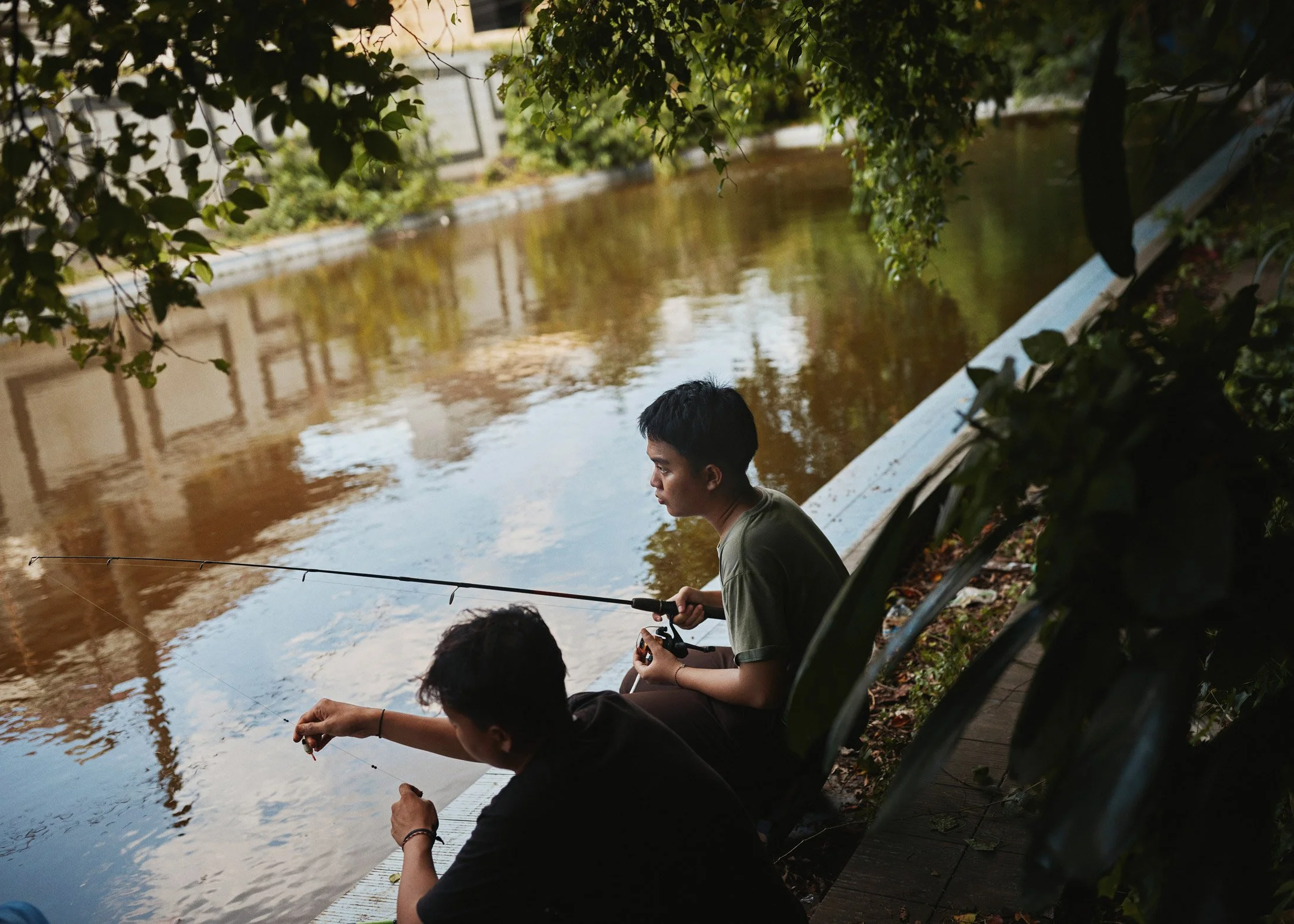
Thirteen major rivers run through Jakarta. They flow from the highlands through the city and into the Java Sea. Climate change brings heavier and more prolonged rainfall, causing the rivers to overflow their banks more frequently. This is also the case in the Kampung Melayu area, which lies directly along one of the major rivers. A few days earlier, the river’s water level rose and flooded the entire area. This has made the abandoned swimming pool an attractive place to fish. When the water recedes, it often leaves fish behind in the pool.
Published by Plan International and Politiken