
No Country For Children
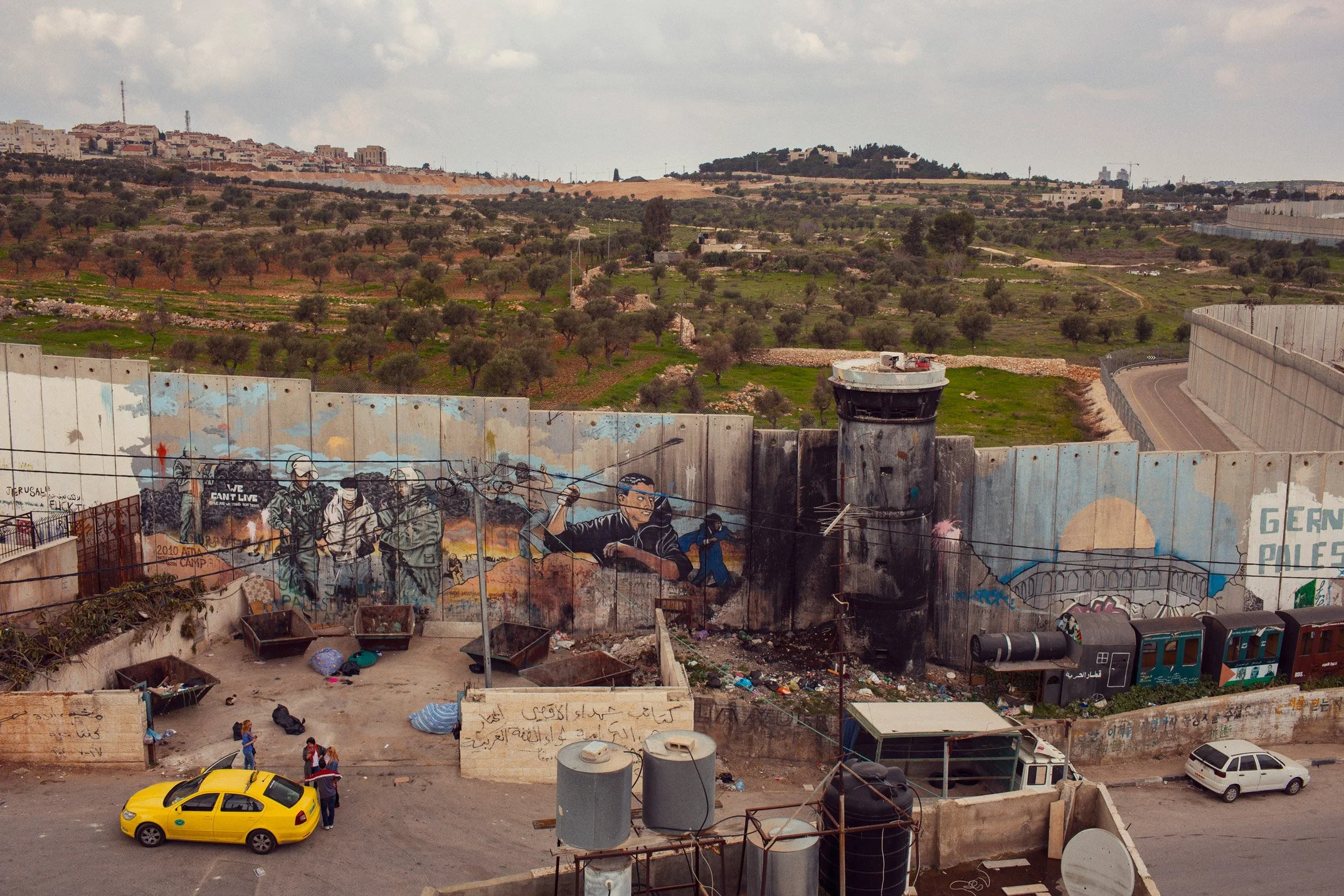
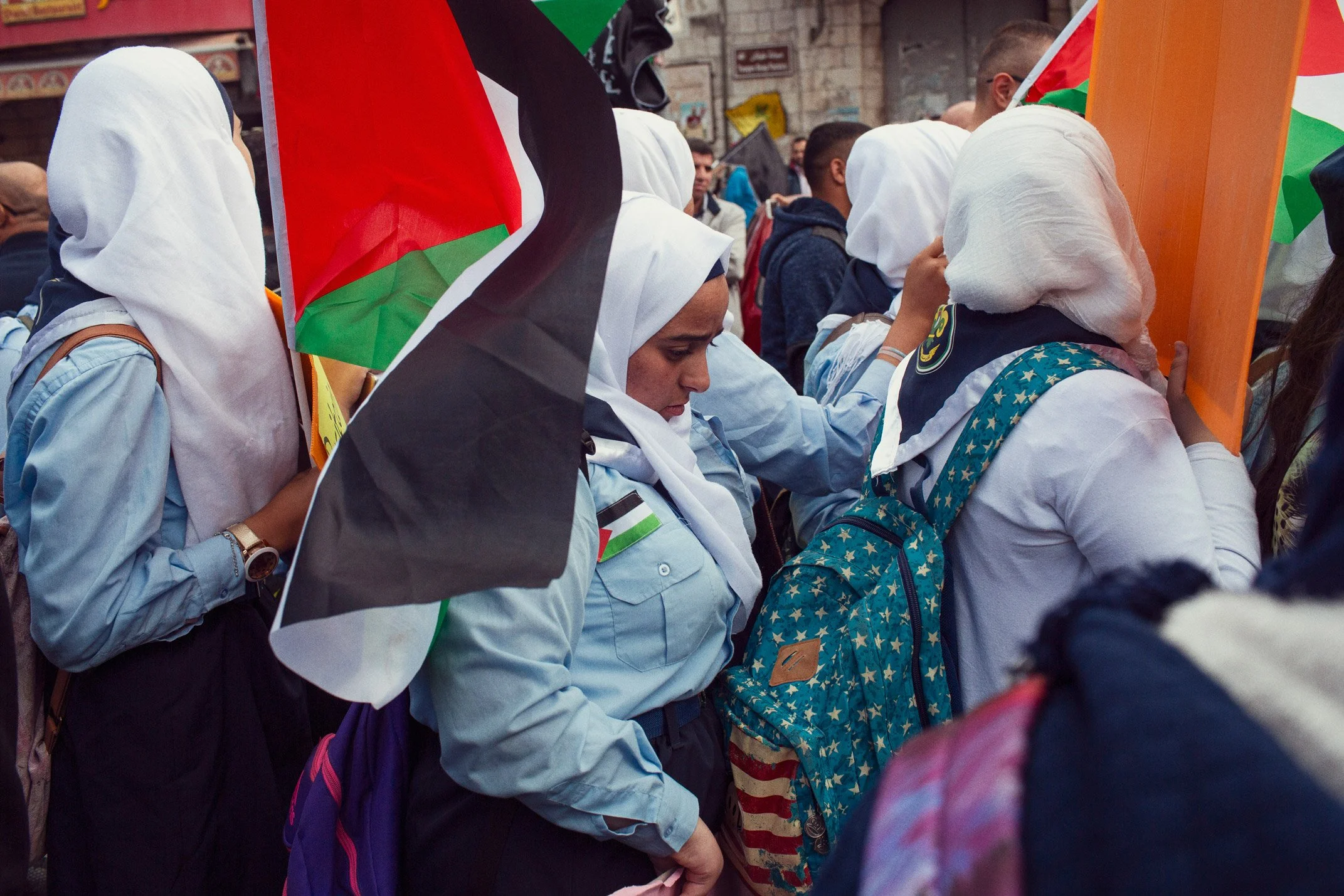
Since Hamas’ attack on Israel on October 7, 2023, and the outbreak of the war in Gaza, the situation in the Palestinian self-governing area of the West Bank has deteriorated severely. Here, children grow up in the shadow of war as violence escalates and the economy is in free fall. In 2025, 53 children have been killed in settler attacks or operations carried out by the Israeli military in the West Bank, including East Jerusalem. At the same time, the West Bank is experiencing the worst economic downturn in decades. Figures from UNICEF show that more than 100 schools have been partially closed due to economic problems and security concerns.
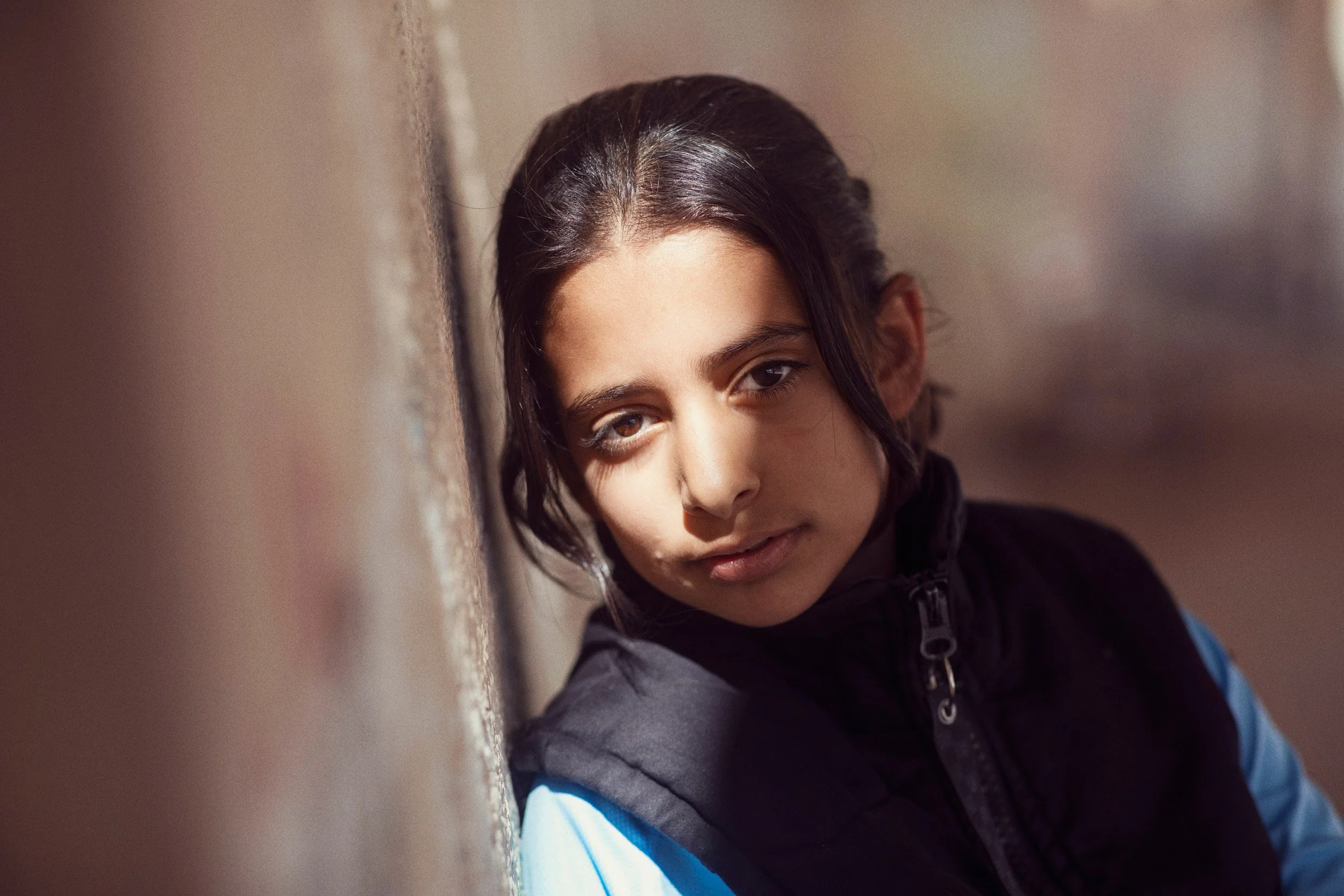
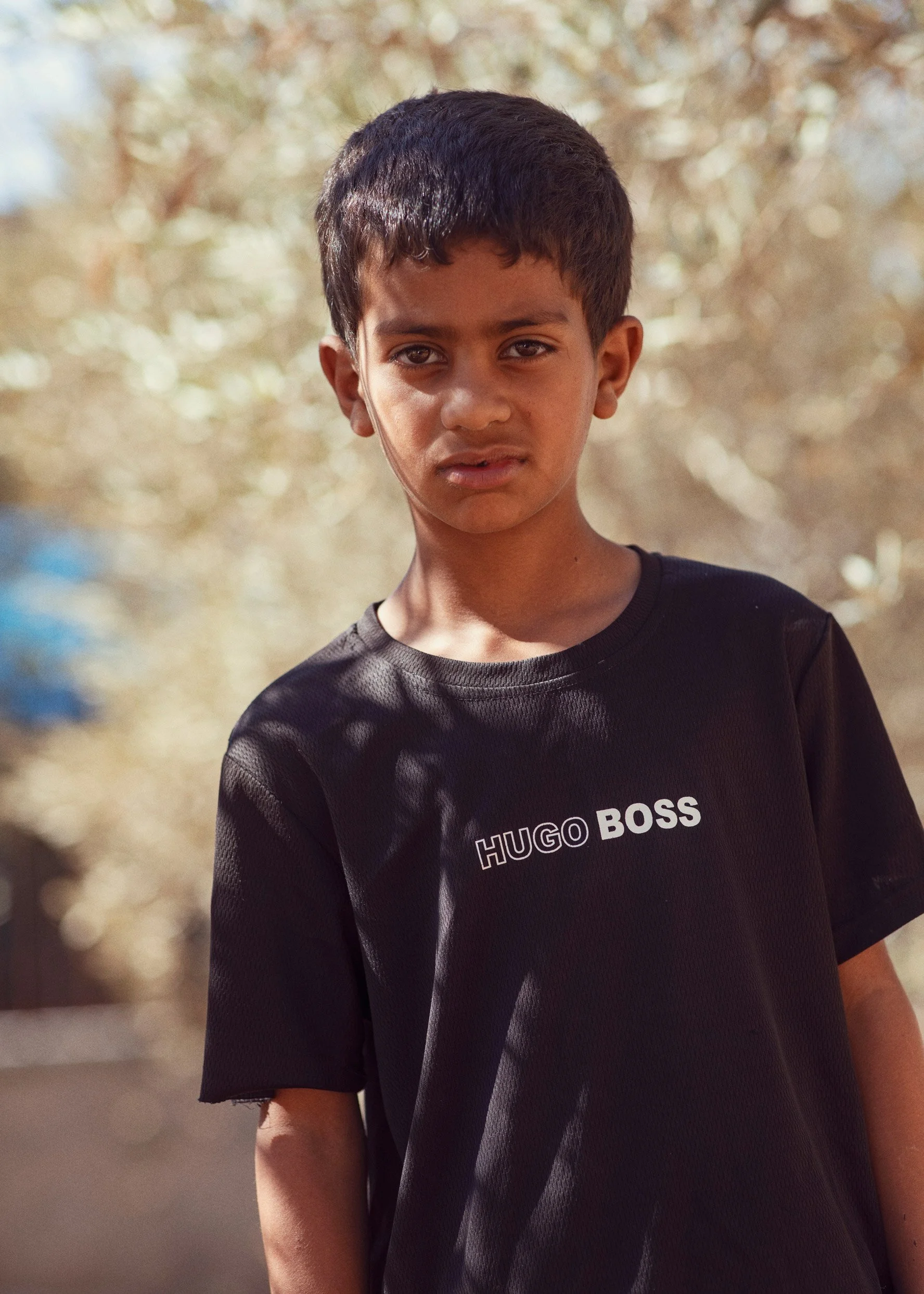
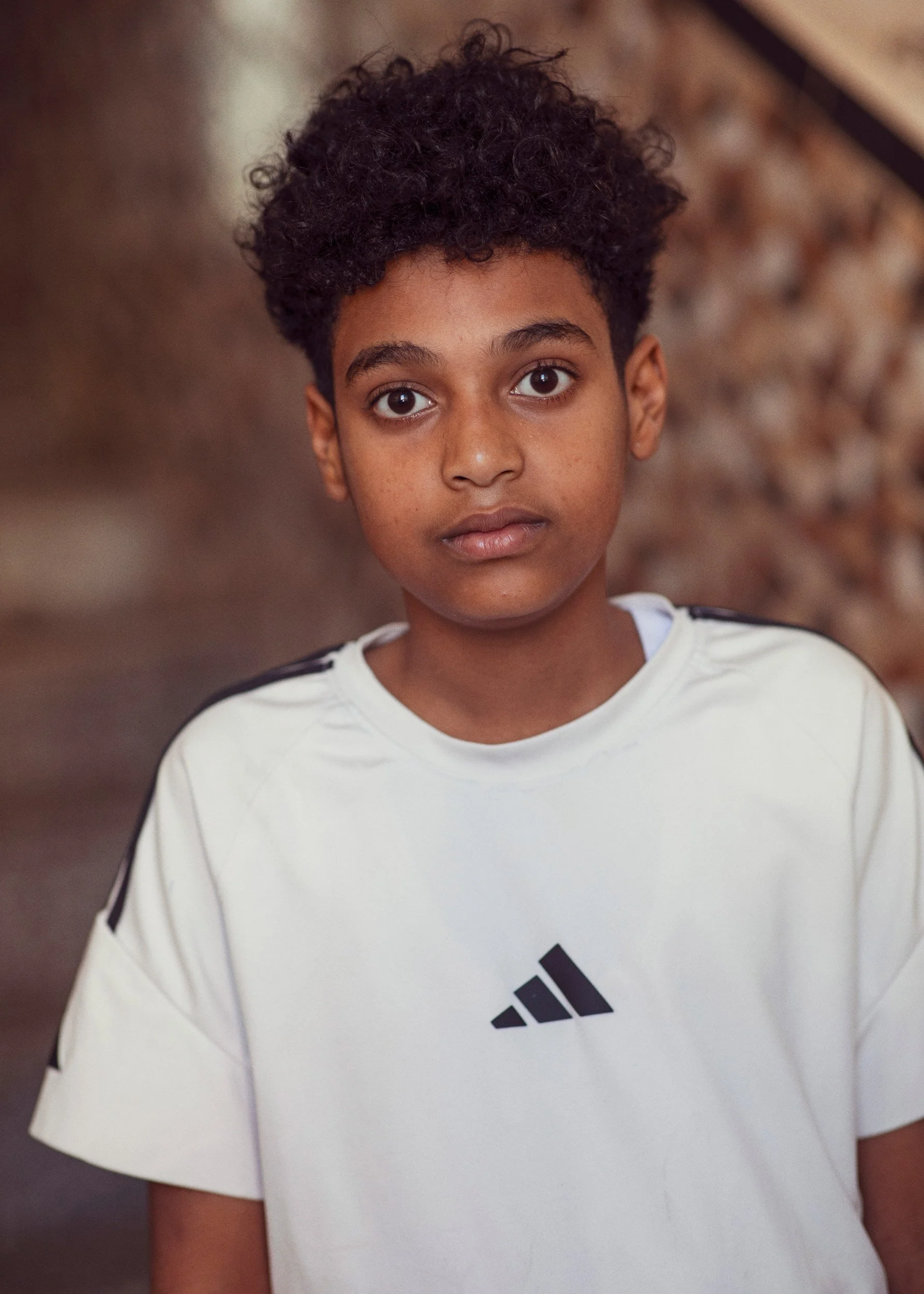
Ahmed, 13, was on his way down to shop with his mother when he happened to be in the wrong place at the wrong time.
“Suddenly there were soldiers in the street. They started shooting, and I was hit in the leg, just above the knee. It’s still not really better and it hurts. I’m waiting to have surgery. I’ve been doing that for six months.”
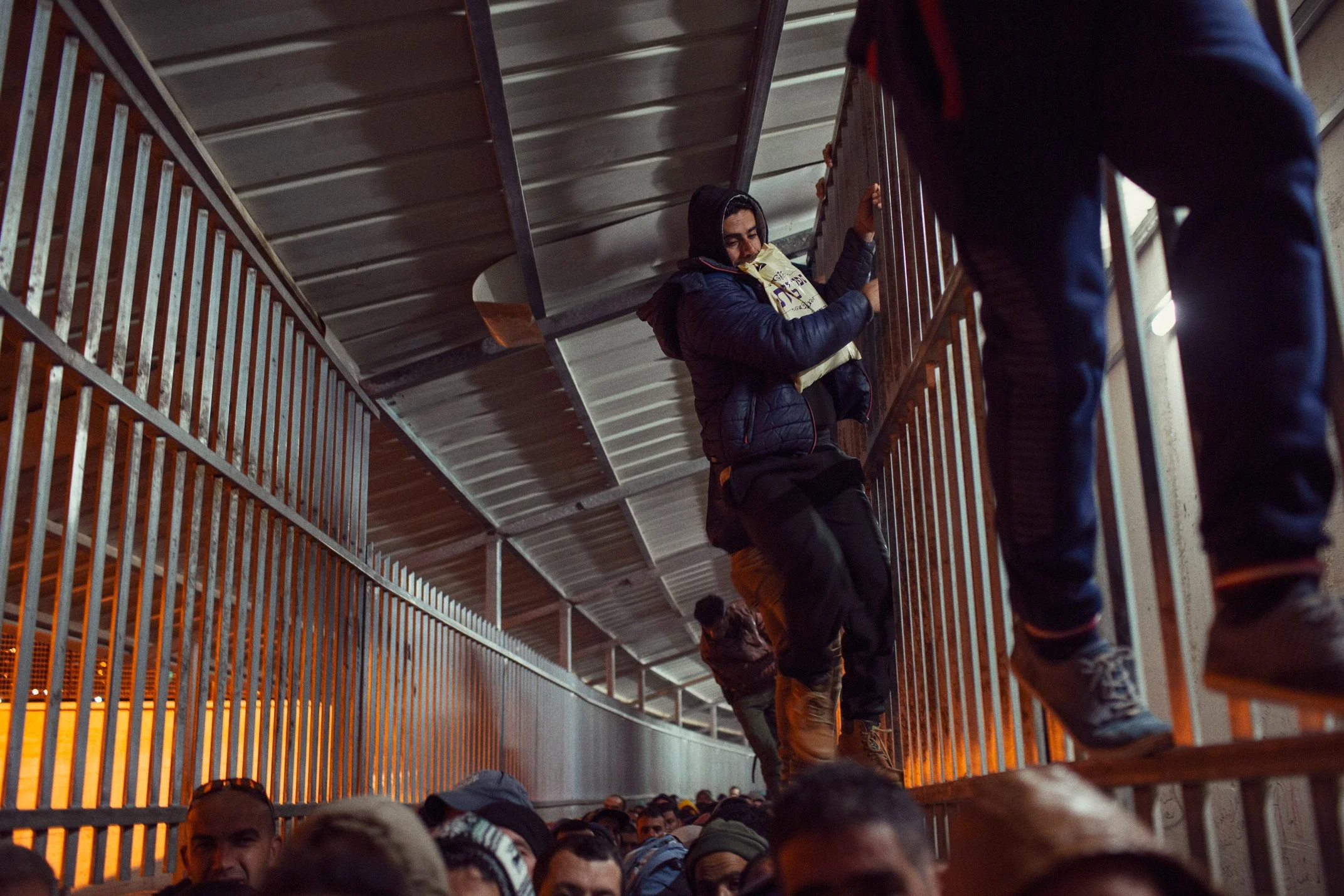
Access to medical care has been severely limited in the West Bank. This is due in part to difficult access with many checkpoints, as well as the fact that the economy of both the authorities and local families has been heavily affected by the war in Gaza and Israeli sanctions.
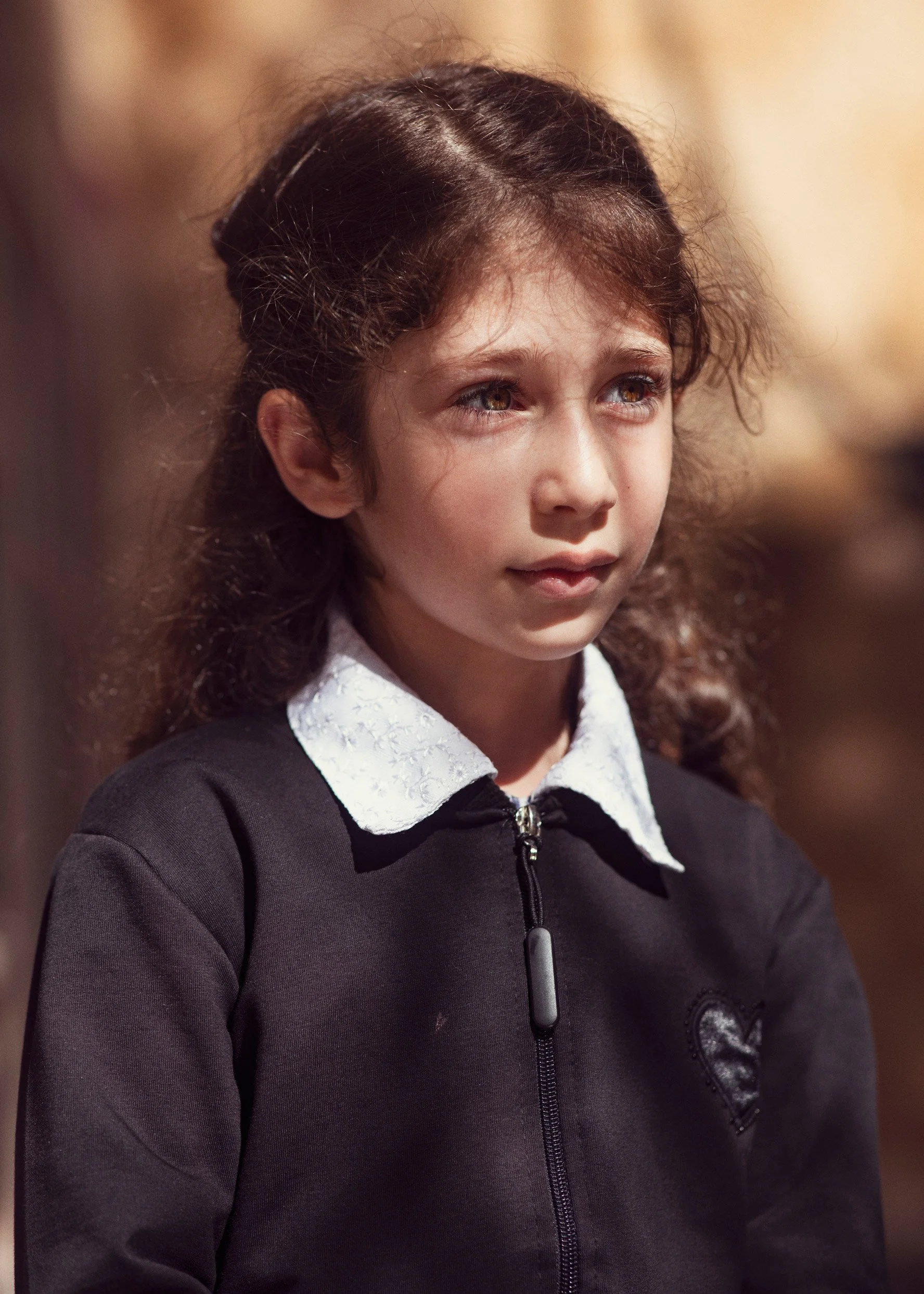

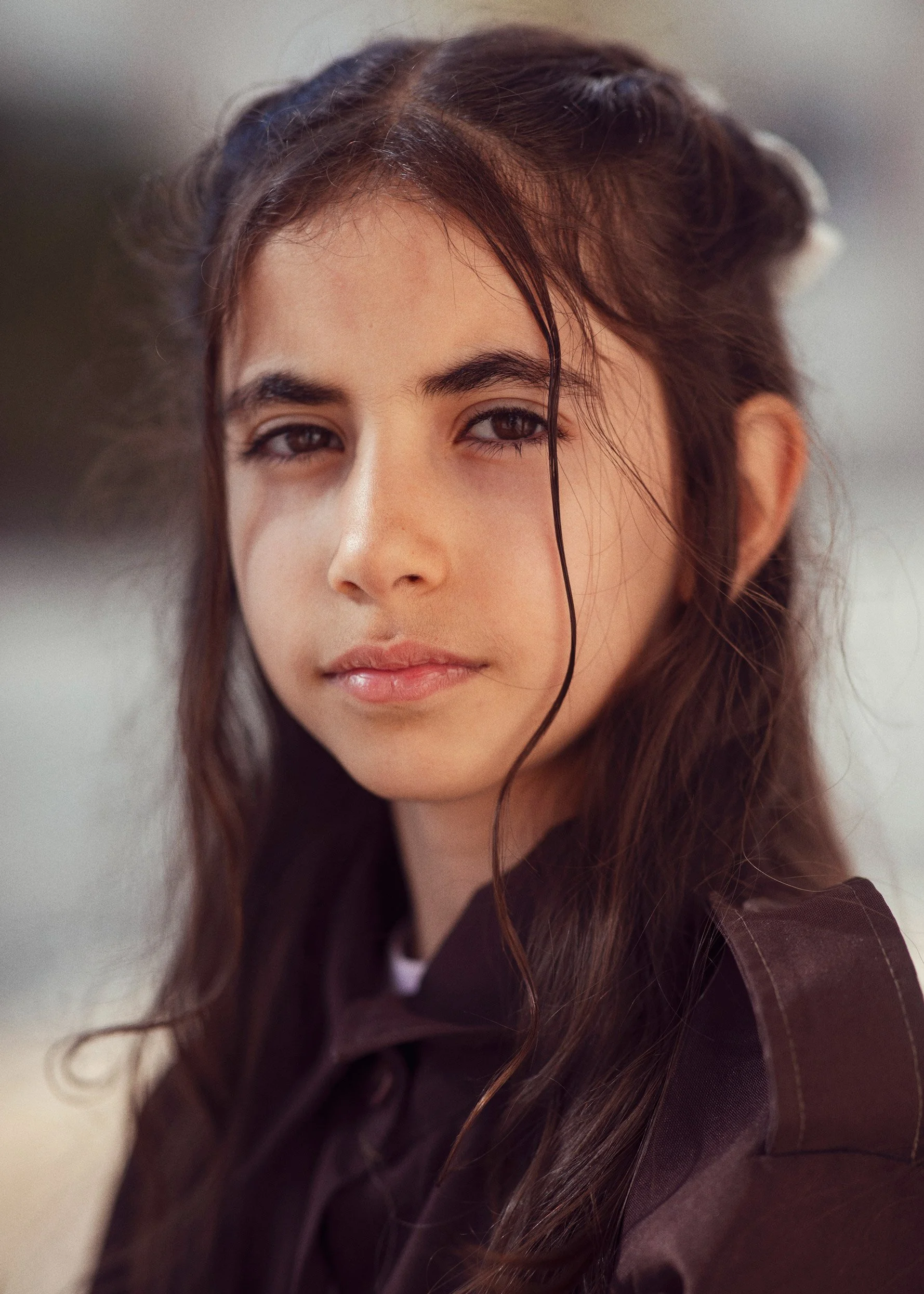
Luceen, 11, is in fourth grade at a school just outside Hebron. She recently wrote an essay about her family’s situation.
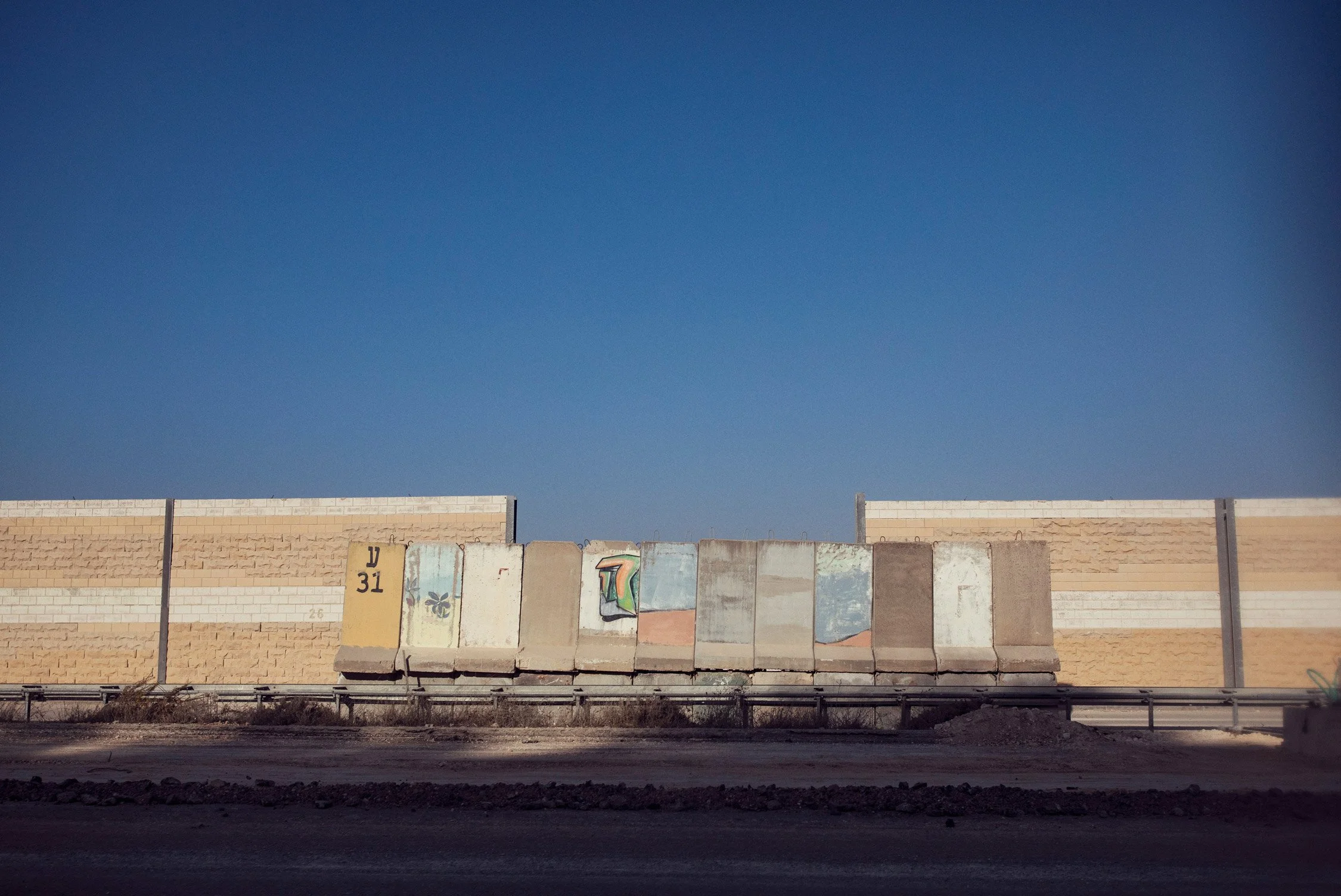
“It’s about my uncle. He has been taken by Israeli soldiers and is now in prison. I don’t know why he was arrested, but I miss him. It makes us nervous when we have to go through checkpoints. Some children walk up to 12 kilometers to school and often have to wait at checkpoints before the school day can begin.”
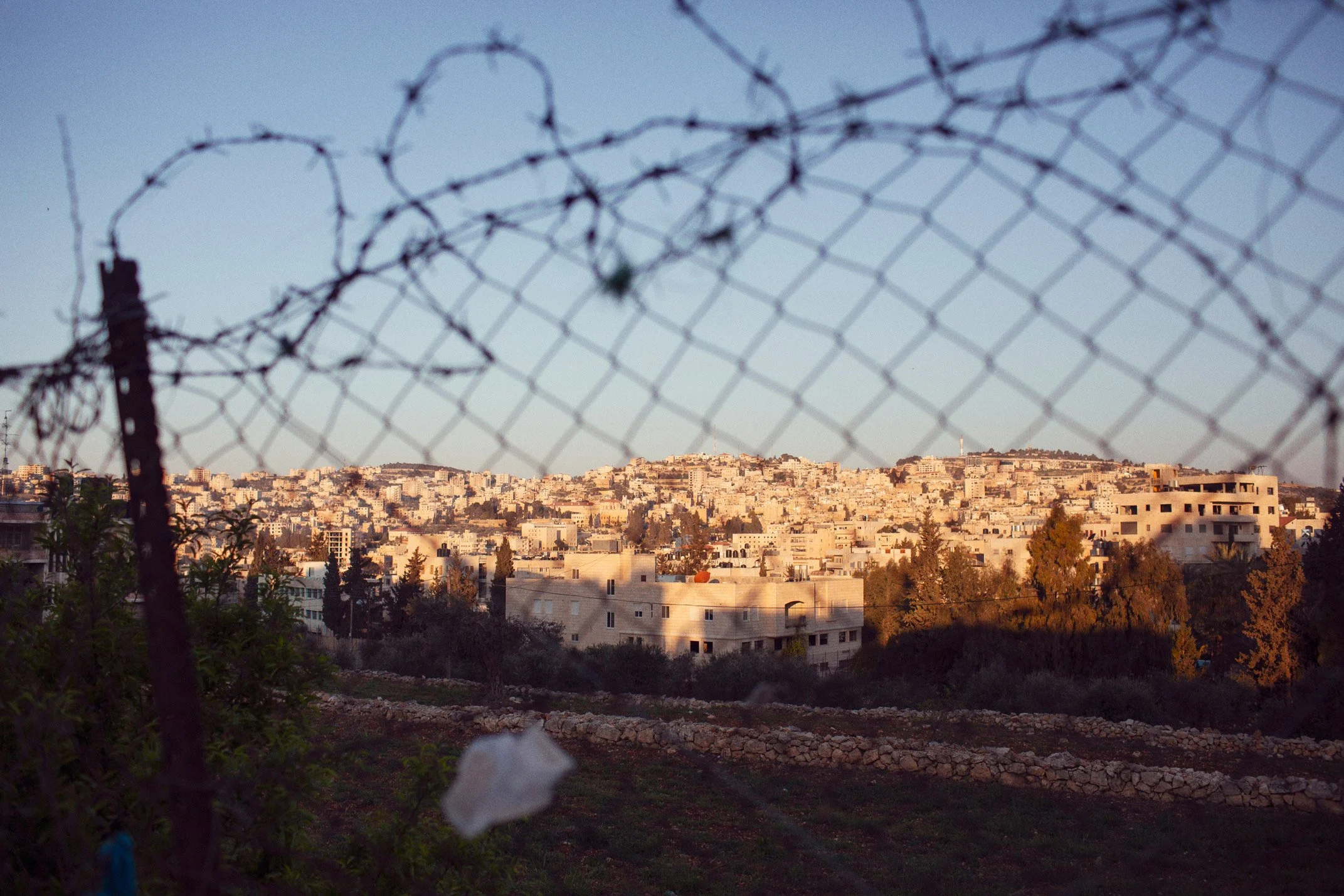
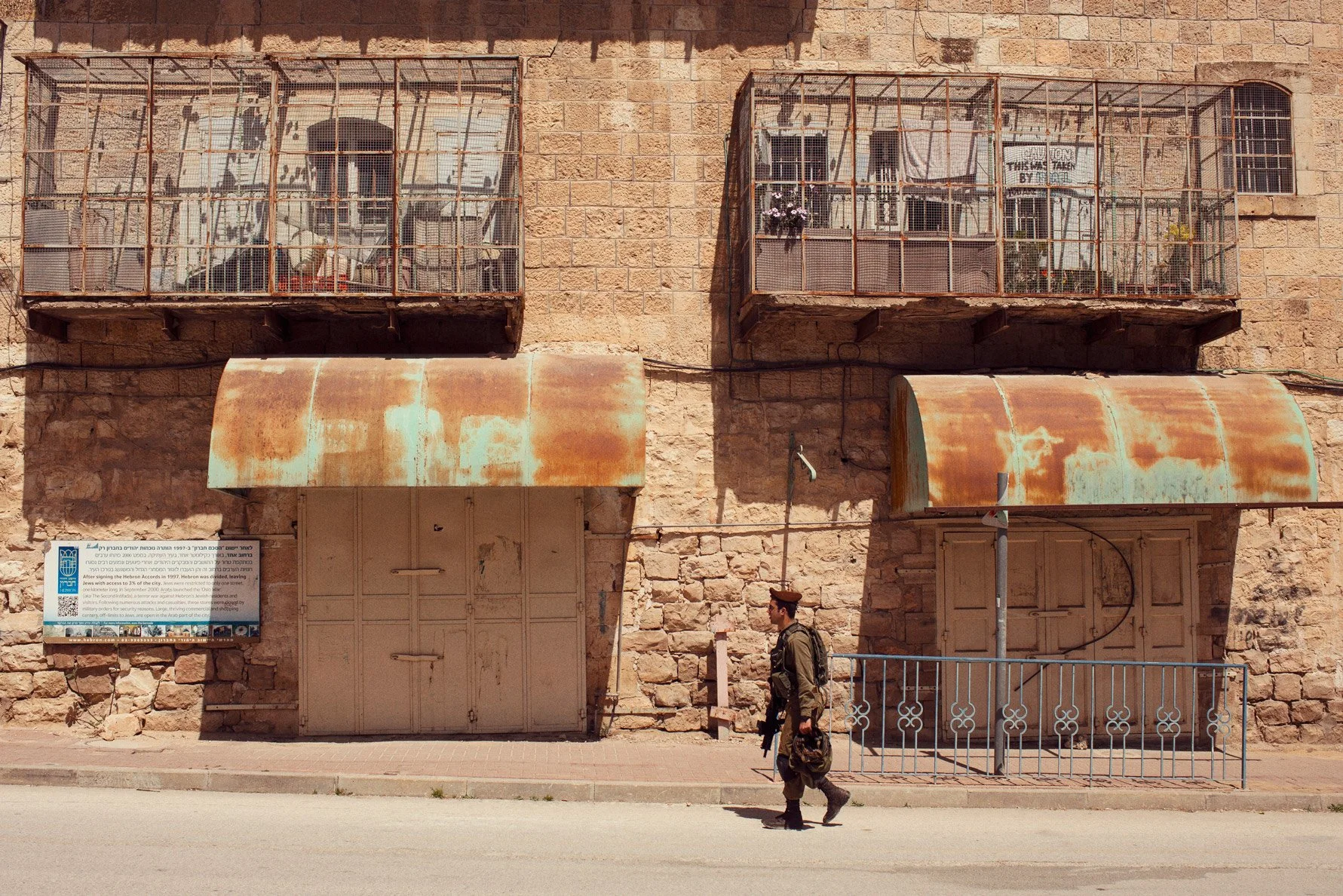
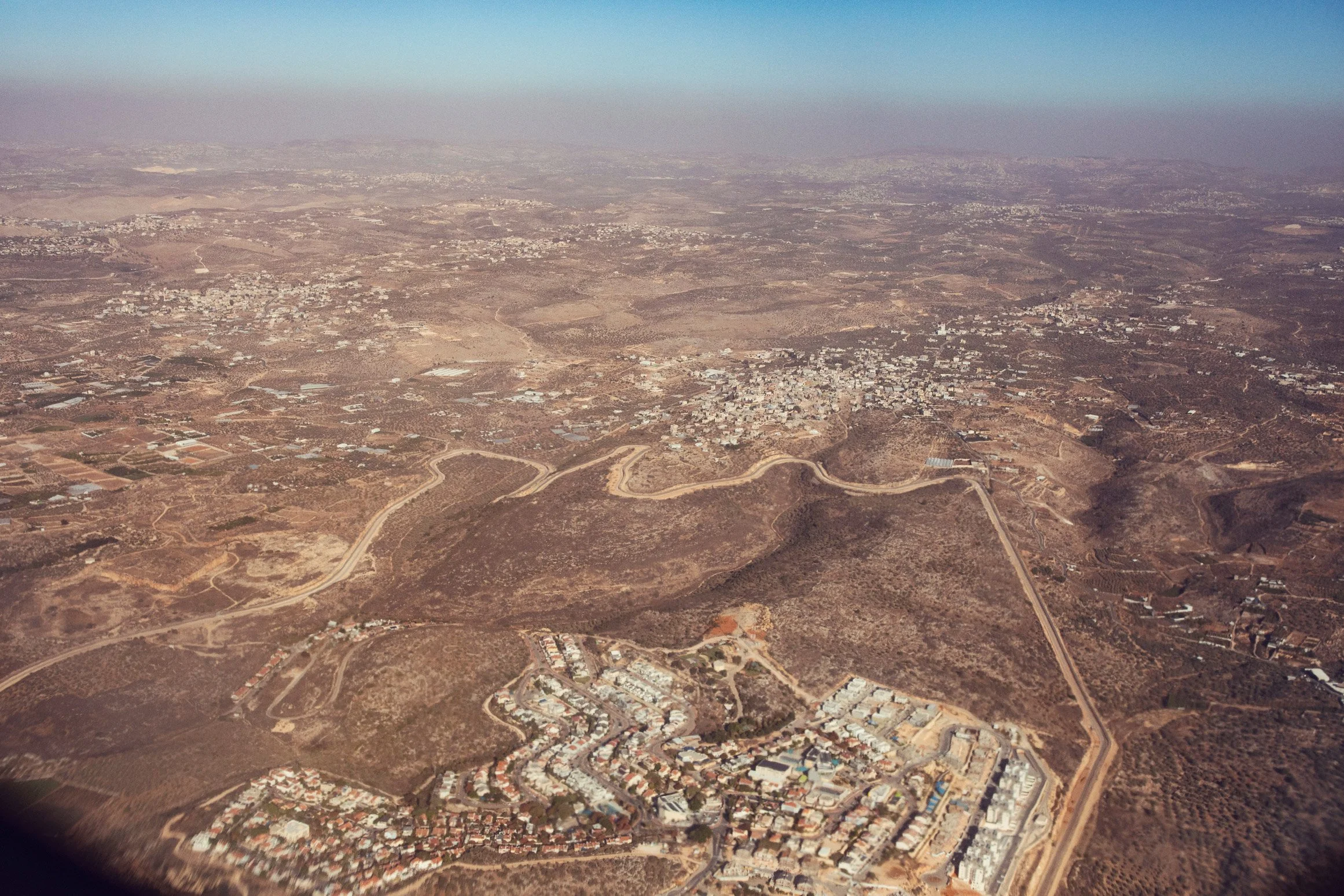
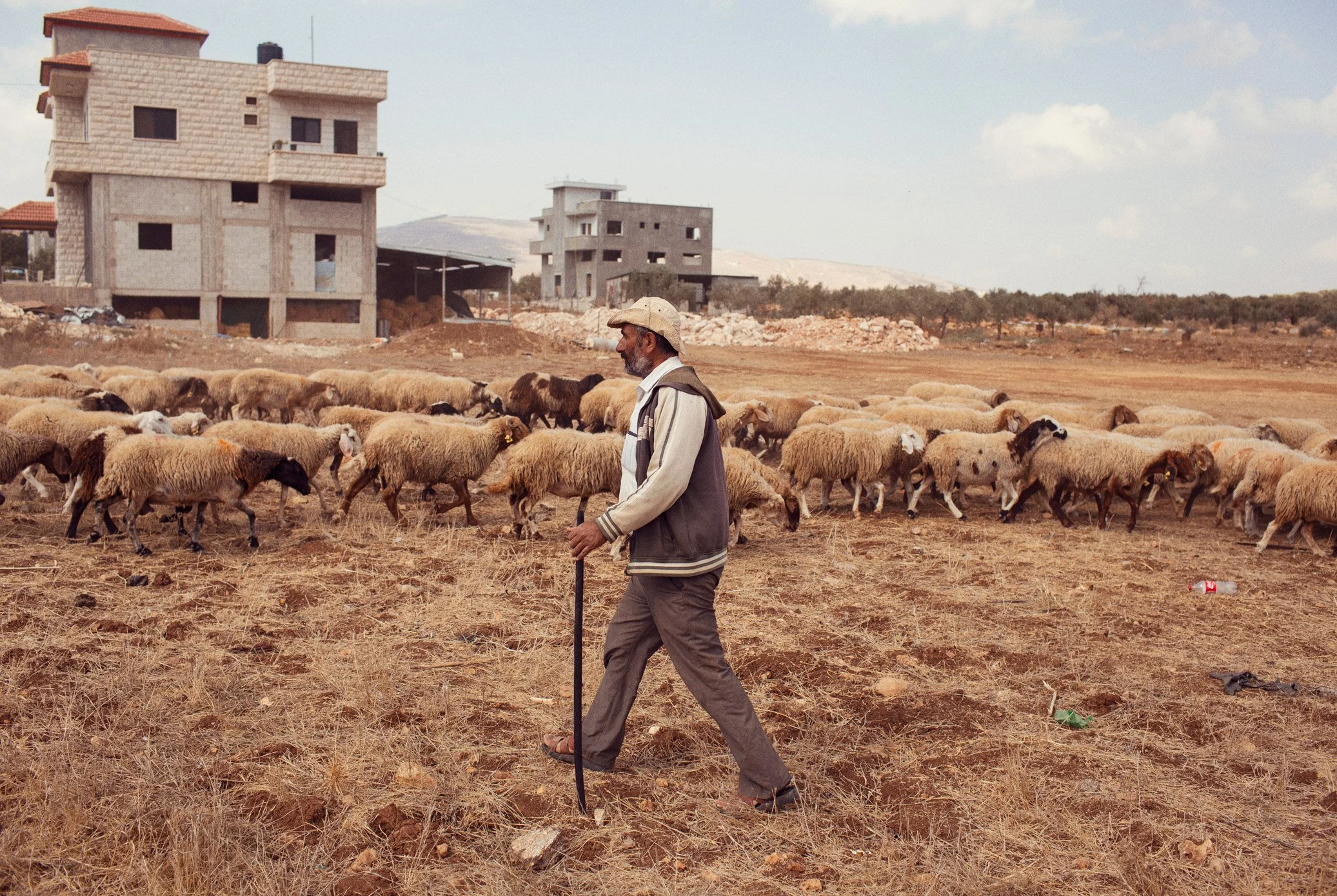
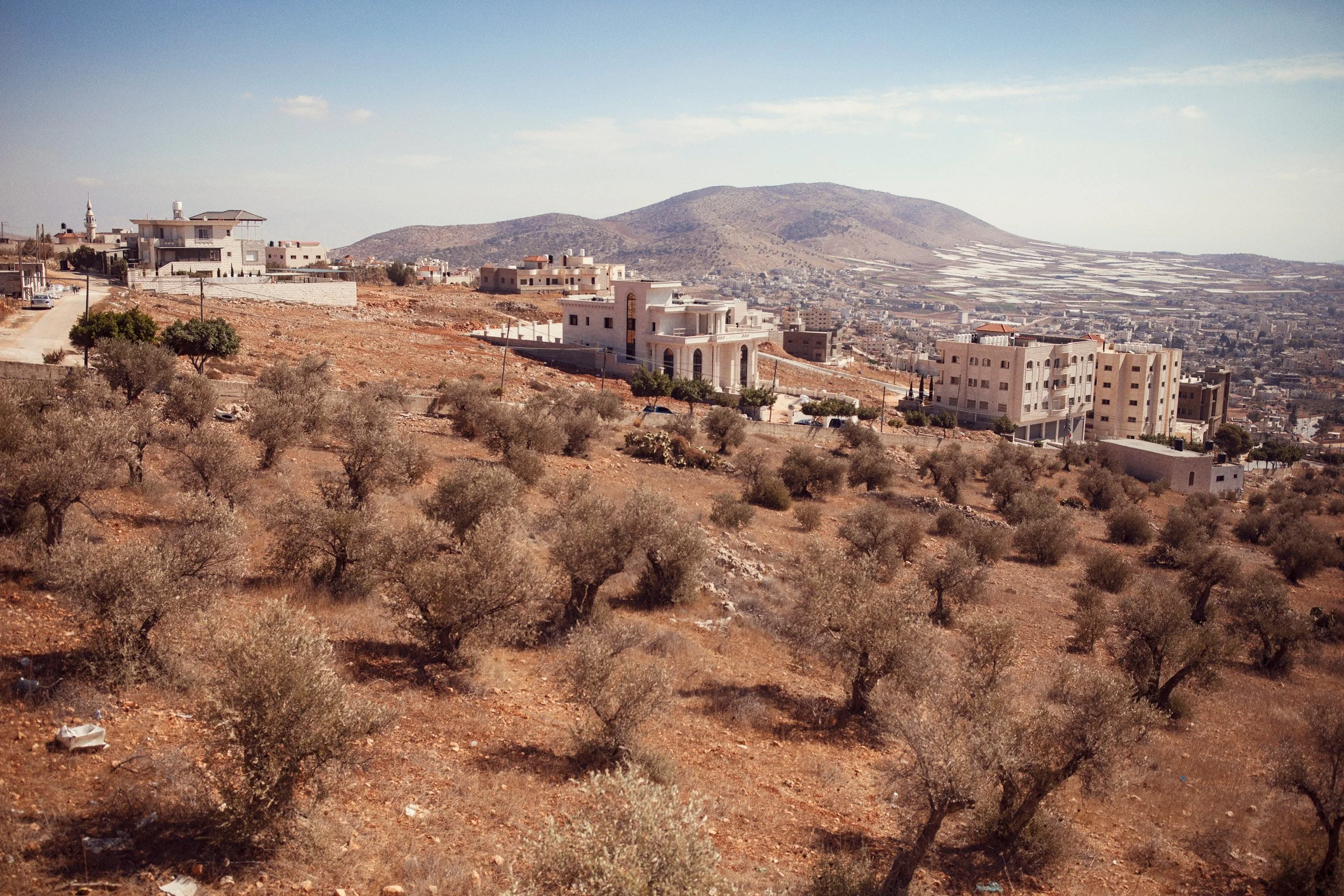
In the West Bank, an ever-growing portion of territory that, according to UN resolutions, is Palestinian is now controlled by the Israeli military. The increase in the number of settlers, more military presence, and more checkpoints also makes it harder for Palestinians to reach their olive groves. Sixty percent of the harvest is estimated to have been lost in 2025.

Yousof, 12, is one of more than 11,000 children in the West Bank and East Jerusalem who over the past eight months have been forced away from the place where they grew up. Three areas with refugee camp status, which had housed Palestinians for decades, have been closed down and partially razed. Yousof’s old home was in such an area in Jenin, but the family has now fled south. There they have found shelter with support from UNICEF.
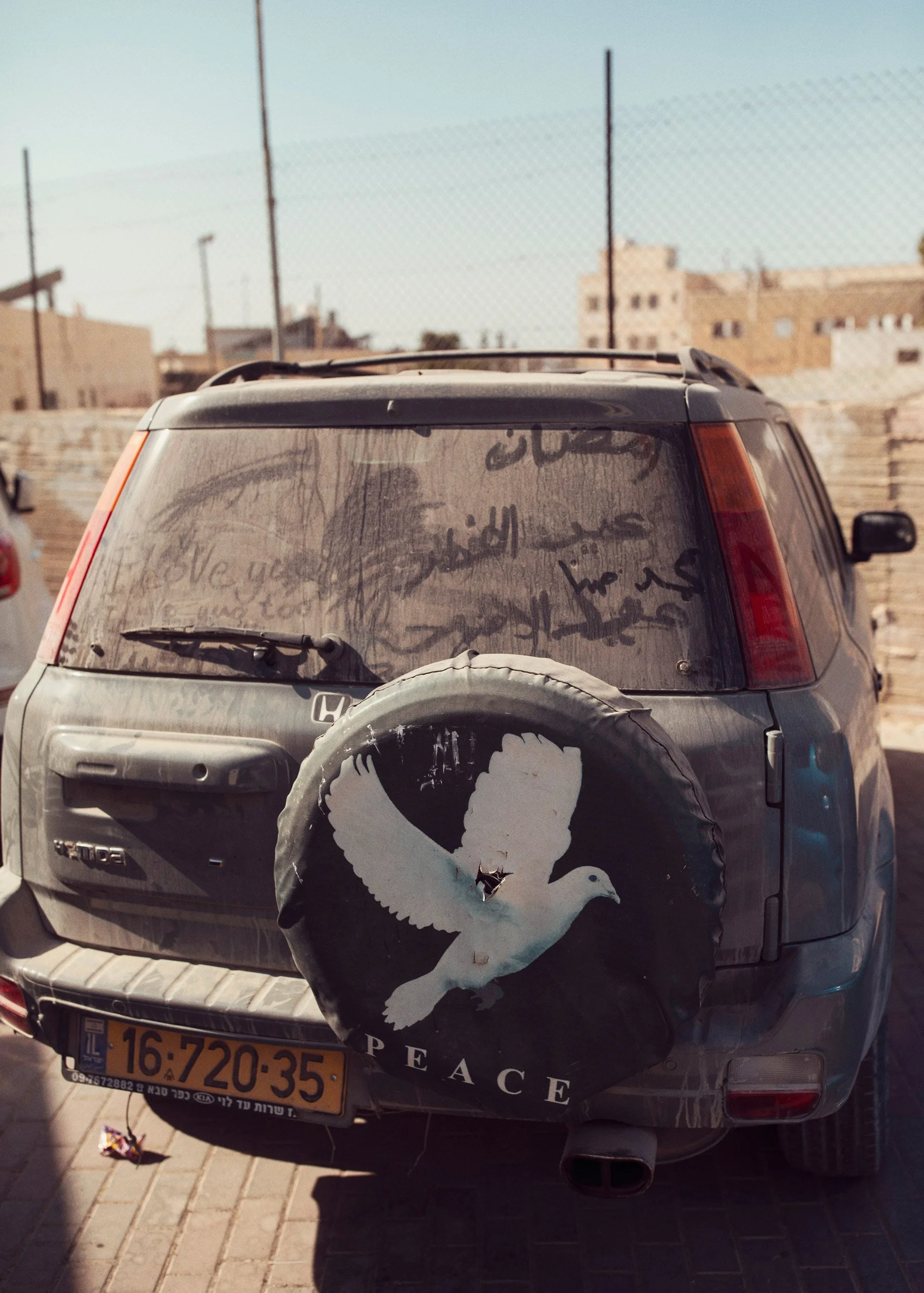
“Our car was shot at when we had to leave our home. But I dream of moving back and returning to my old school.”
Between January 1, 2024, and June 1, 2025, more than 2,500 buildings were demolished, more than 40 percent of them homes. In 2025, 39,000 Palestinians were displaced from their homes in the West Bank. These experiences particularly affect children, who are left traumatized and in need of help to avoid long-term psychological and physical harm.
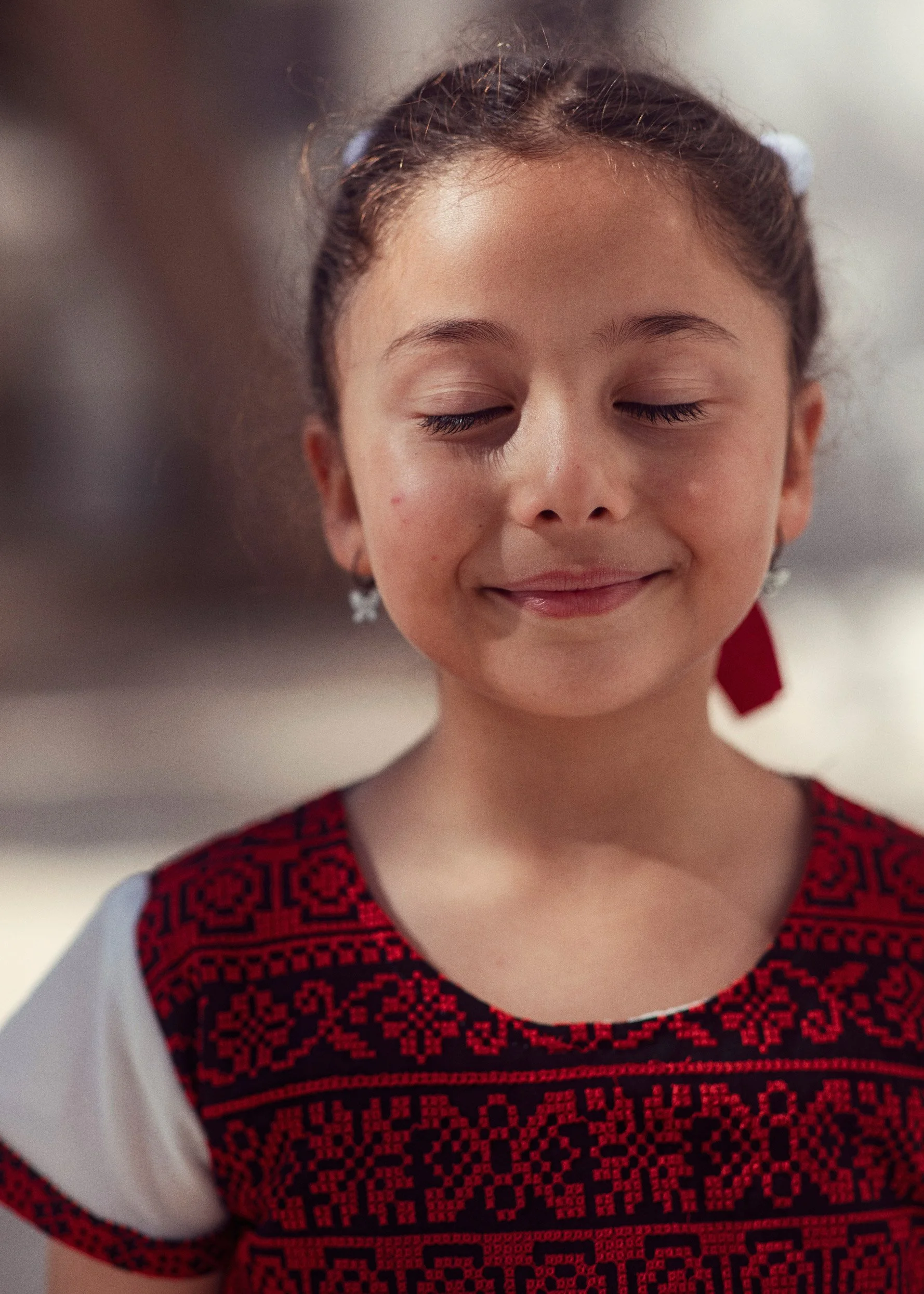
Nour, 7, remembers when they used to go to school five days a week.
“Right now we only go to school on Sunday, Monday, and Tuesday. But it doesn’t matter that I’m only in school three days a week, because I like to sleep. I also like being with my friends. What I don’t like very much is when it rains. And when there are rockets. Then we have to stay inside and hide. We also have to do that when there are soldiers in the city.”
The Palestinian authorities in the West Bank are facing severe financial difficulties, and unemployment has risen as a result of the war in Gaza.
Published by Unicef and Danmarks Radio